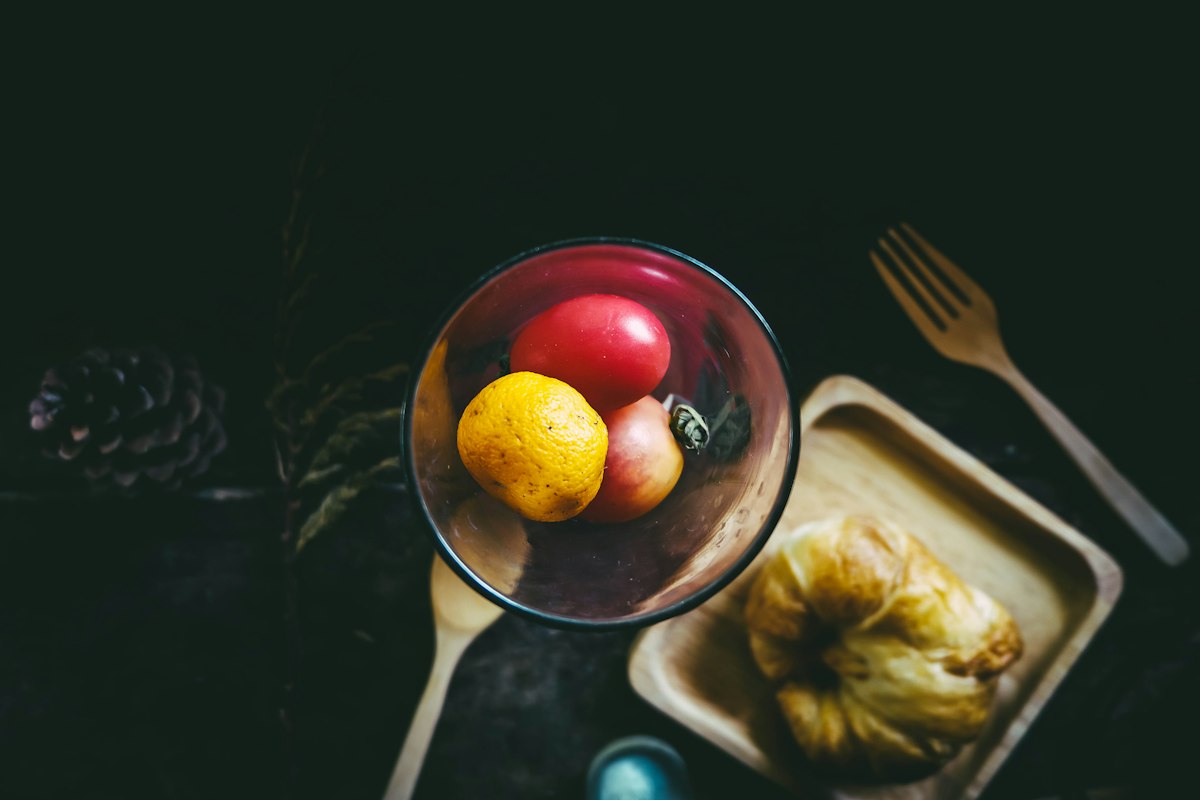
A bowl of fruit looks inviting, but it is most useful when the fruit actually becomes part of the day. Start with what you like eating and how you use it, rather than choosing a colorful assortment purely for the kitchen counter.
Buy for a real occasion
Think about breakfasts, packed lunches, and the snacks you commonly reach for. Choose an amount that fits those moments. If a fruit requires cutting or peeling you rarely make time for, plan when you will do it. A smaller selection you enjoy is easier to use than a decorative bowl of good intentions.
Check how each fruit belongs
Different fruits have different storage and ripening needs. Follow suitable guidance for the specific produce rather than treating the bowl as a universal storage spot. Keep refrigerated items where they belong and wash produce appropriately before eating or preparing it. The visible bowl can hold only the fruit suited to that location.
Make the next choice visible
Look through the fruit as part of putting groceries away. Place the pieces you intend to eat next where you will notice them, without piling delicate fruit under heavier items. If something needs a specific use soon, add that use to the meal plan. Visibility helps only when it leads to an actual decision.
Learn from what remains
At the end of the week, notice what was eaten quickly and what was left untouched. Adjust the next purchase accordingly. You might prefer fewer whole pieces and more fruit chosen for a particular breakfast. The goal is an everyday food supply that suits you, not a bowl that stays perfectly full.
Which fruit disappears first in your kitchen?
This is an original editorial example, drafted with AI assistance for the Little Days preview. It is not a submitted user story or a claim of personal experience. The photo is illustrative stock photography.