A good sandwich is often a question of proportion. Too much filling can hide the bread and make lunch difficult to hold. Starting with a few compatible ingredients lets you pay attention to the details that make a familiar meal satisfying.
Choose bread for the filling
Soft sliced bread, a roll, and a sturdy loaf behave differently. Match the bread to what you are putting inside, and consider whether toasting would help. Cut a portion you can comfortably eat. If the crust is very firm, a smaller sandwich may be easier to enjoy than a tall stack.
Give the filling one main flavor
Choose a central ingredient you like, then use the others to support it. A spread can add moisture; a crisp vegetable can add texture. Drain or pat wet ingredients appropriately before assembling. Follow the storage and preparation guidance for the foods you use, especially when making lunch ahead of time.
Build a manageable first bite
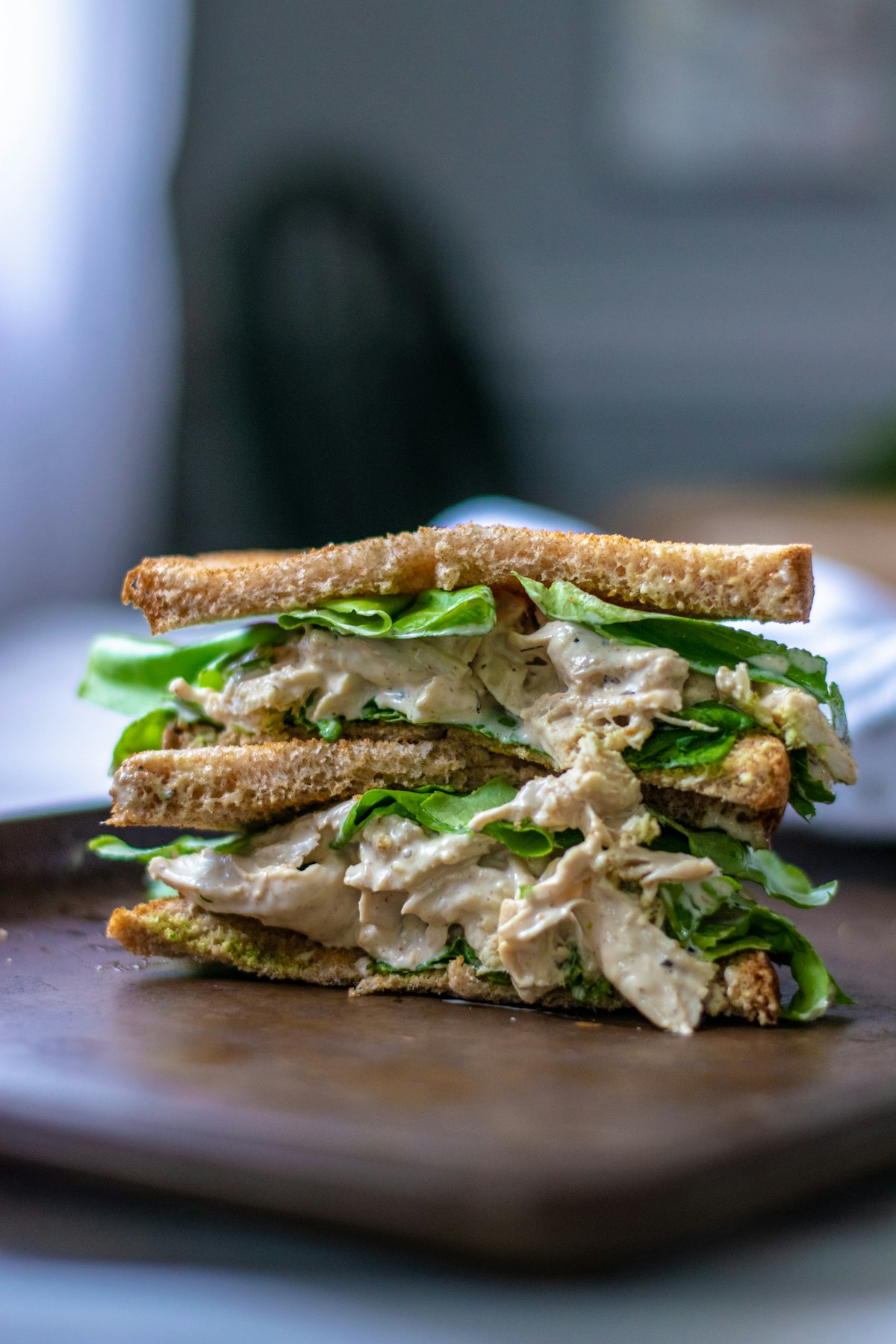
Spread fillings evenly toward the edges instead of leaving a mound in the middle. Check whether the sandwich closes without force. Slice it if that makes it easier to handle. A little restraint often makes each bite more consistent, and you can serve extra vegetables or other accompaniments alongside rather than inside.
Notice the useful adjustment
Sit down with the finished sandwich and see what works. Was the bread too thick, the filling too wet, or the spread just right? Record one change for next time. You are developing an everyday lunch you can repeat, and that is easier when the lesson is specific rather than simply make it better.
What makes a sandwich feel especially good to you?
This is an original editorial example, drafted with AI assistance for the Little Days preview. It is not a submitted user story or a claim of personal experience. The photo is illustrative stock photography.