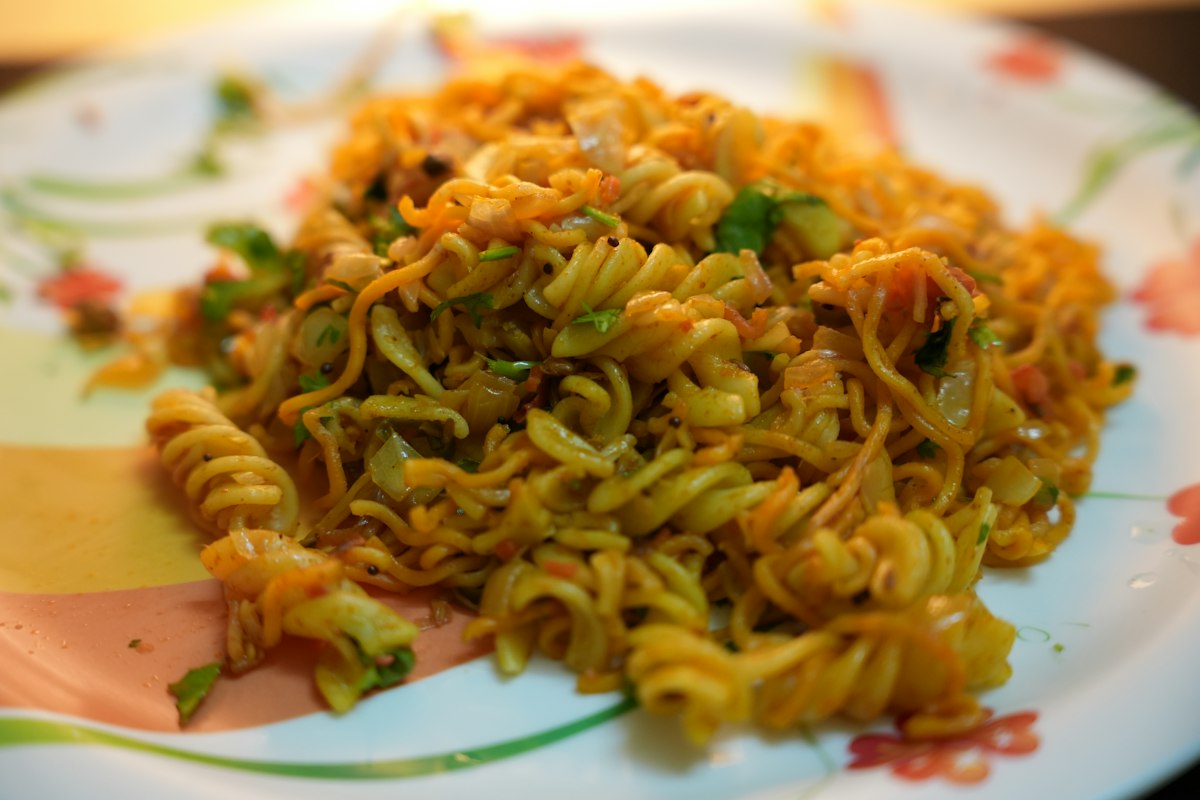
Following a pasta recipe once does not always mean you can easily repeat the result. The useful details are often local to your kitchen: the shape you used, how much sauce you preferred, and what you would prepare before turning on the stove.
Choose a recipe to repeat
Start with a recipe you already trust or follow a new one carefully. Keep the original source so you can find the full method again. A personal note should supplement the recipe, not replace cooking instructions you still need. Write the dish name and date before the details become difficult to remember.
Record the actual ingredients
Note the pasta shape, the amount you prepared, and any substitutions. If you swapped an ingredient, describe what happened rather than assuming the change was equivalent. A sauce that works well with one shape may feel different with another. Specific observations are more useful than a broad verdict of good or bad.
Capture one timing lesson
Perhaps chopping everything first made the evening easier, or the serving bowls should have been ready sooner. Write down the adjustment in a sentence you can act on. Keep following the recipe and package guidance for cooking. Your note is about making the sequence easier to manage in your own space.
Repeat before expanding
Try the dish again with that one improvement. If it works, add it to a short list of meals you can comfortably make. There is no need to develop an entire recipe collection at once. A few dinners with clear, useful notes can take more pressure off an ordinary week than dozens of saved links.
Which dinner has one small detail you always wish you remembered?
This is an original editorial example, drafted with AI assistance for the Little Days preview. It is not a submitted user story or a claim of personal experience. The photo is illustrative stock photography.