Packing lunch involves more than choosing food. The container needs to travel, open comfortably, and work where you plan to eat. Thinking through those small practical moments can save the disappointment of a good meal with no suitable fork or place to set it down.
Start with the destination
Consider whether you will have refrigeration, a way to reheat food, and a table. Choose food and transport arrangements appropriate to those conditions, following food storage guidance for the ingredients. A meal that works at a kitchen table may be awkward on a short outdoor break. Let the actual setting guide the plan.
Match the container to the food
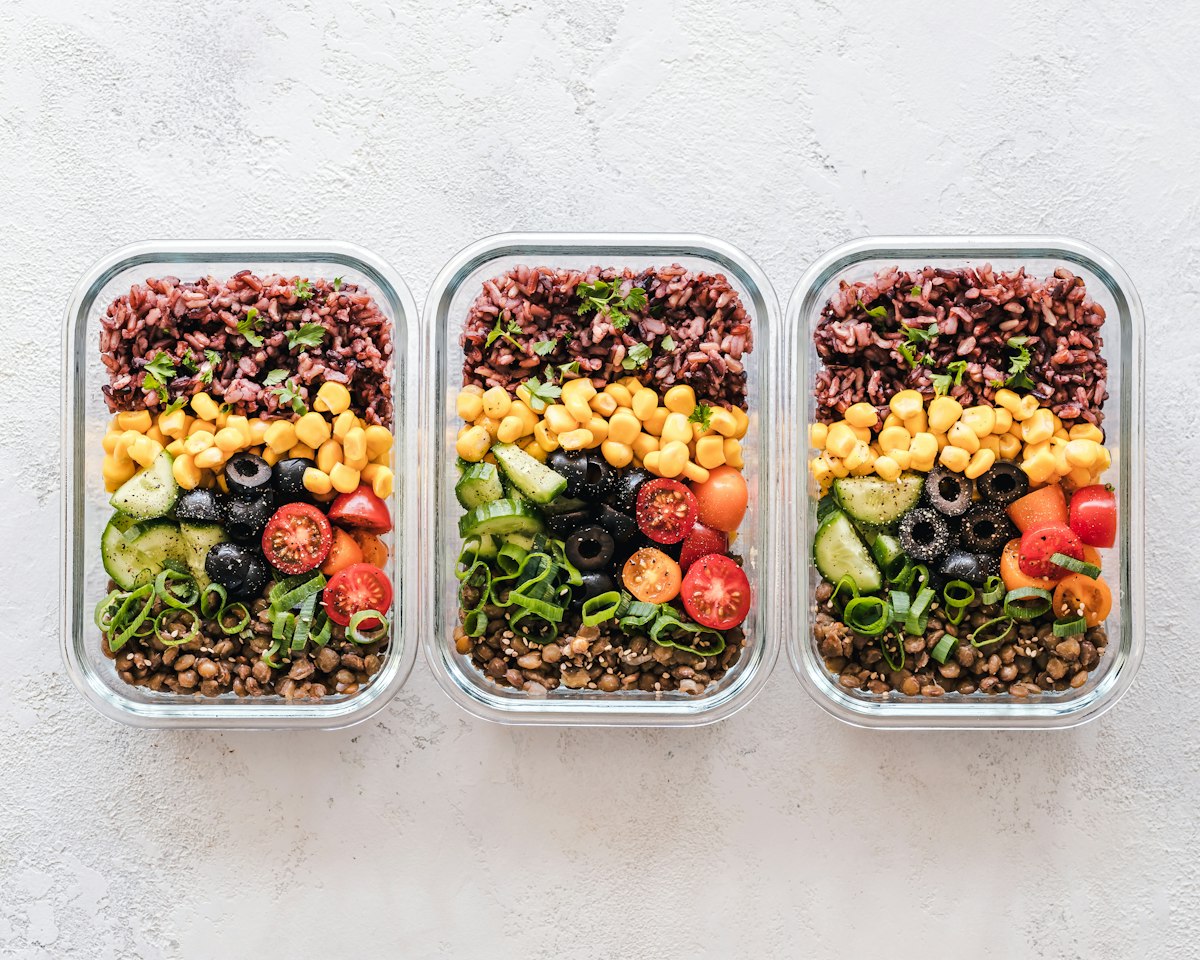
Use a food-safe container suitable for the temperature and any reheating you intend. Check lids and keep liquids securely contained. Separate items that would become soggy if combined too early. Avoid packing more compartments than you want to wash later; a simple lunch should remain simple when you return home.
Pack the small supporting things
Add the utensil the meal needs, a napkin, and any small accompaniment. Keep these together in the lunch bag rather than relying on a separate drawer at the last minute. If you often forget something, place a short checklist near the packing area. Two useful reminders can be more effective than a detailed system.
Unpack when you arrive home
Deal with leftovers according to food safety guidance and wash containers promptly. Return the clean, dry items to one place. Notice what leaked, felt bulky, or stayed unused. Changing the container may solve the problem more easily than changing the meal. Tomorrow’s lunch begins with equipment that is ready to use again.
What is the small lunch item you are most likely to forget?
This is an original editorial example, drafted with AI assistance for the Little Days preview. It is not a submitted user story or a claim of personal experience. The photo is illustrative stock photography.