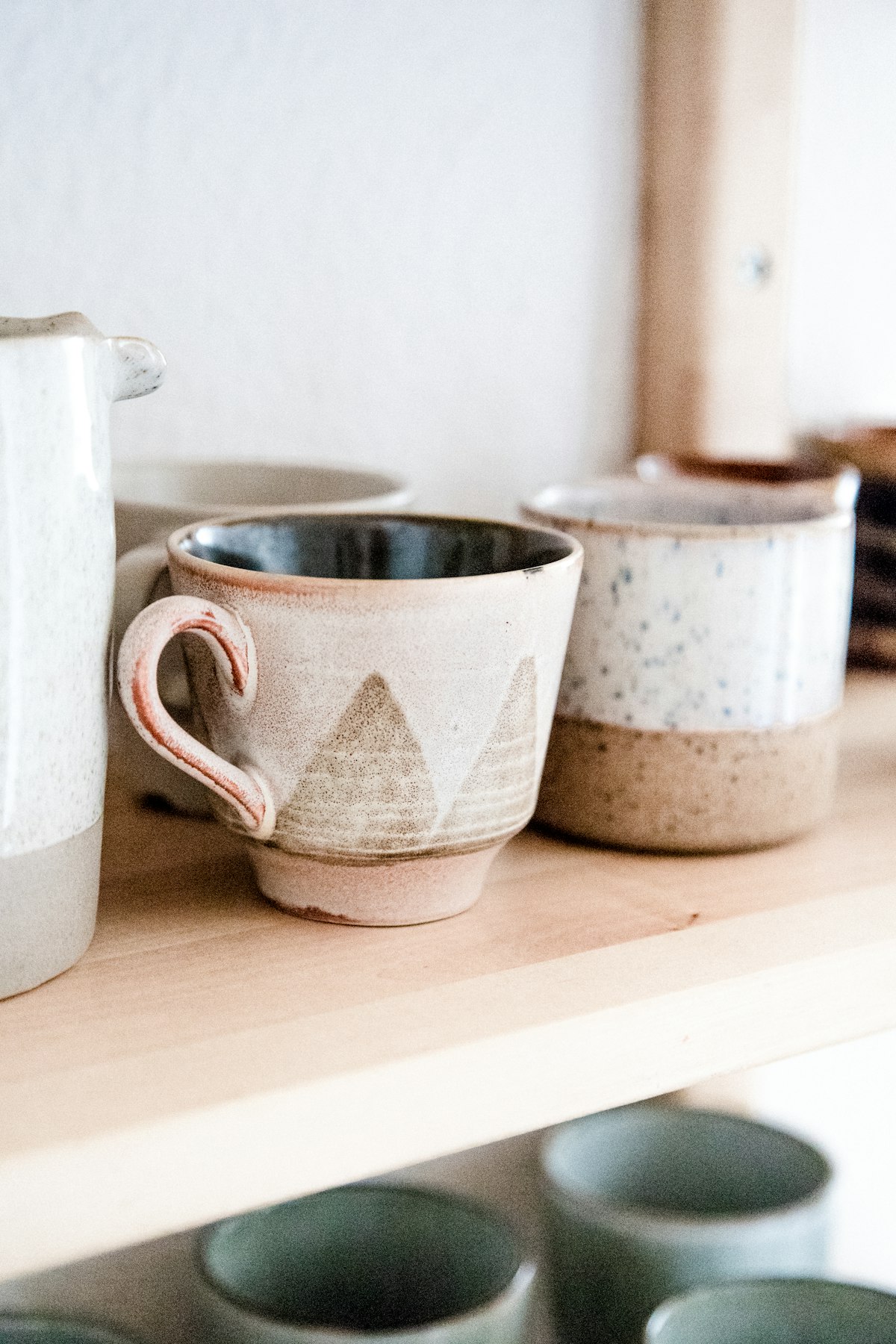
A secondhand shop can make almost any object seem like an opportunity. Going in with one ordinary need can make browsing more focused. The satisfying find is the one that fits your life after you bring it home, not merely the one that looks interesting on the shelf.
Name the use before the object
You might need a container for pencils, a frame for a print, or a suitable everyday mug. Note the dimensions or other requirements beforehand. Set a spending limit that feels comfortable. A small purpose leaves room for discovery while giving you a practical reason to pass on things that would become clutter.
Inspect the piece carefully
Look for damage, missing parts, and materials that may be unsuitable for the intended use. For food or drink containers, do not assume an old decorative object is food-safe. Ask the seller when information is unclear and leave it if you cannot establish suitability. A low price does not resolve a practical uncertainty.
Picture its place at home
Decide where the item will live and what it will replace or make easier. Consider whether cleaning or repair is within your skills and interest. If the answer depends on a future room makeover, the object may not meet the need you came with. Taking time to decide is part of enjoyable browsing.
Use the find soon
Clean and prepare it appropriately, then put it into its intended role. Keep any useful maker or care information. If you share a photograph, describe the object rather than inventing a history for it. A modest piece can have enough character in its visible details and the new use you have chosen.
What everyday object would you enjoy finding secondhand?
This is an original editorial example, drafted with AI assistance for the Little Days preview. It is not a submitted user story or a claim of personal experience. The photo is illustrative stock photography.