A short poem can fit into a small pause without asking you to finish a whole book. Reading it a second time may reveal a sound, image, or turn of thought you missed on the first pass. Understanding every line is not a requirement for beginning.
Choose an accessible source
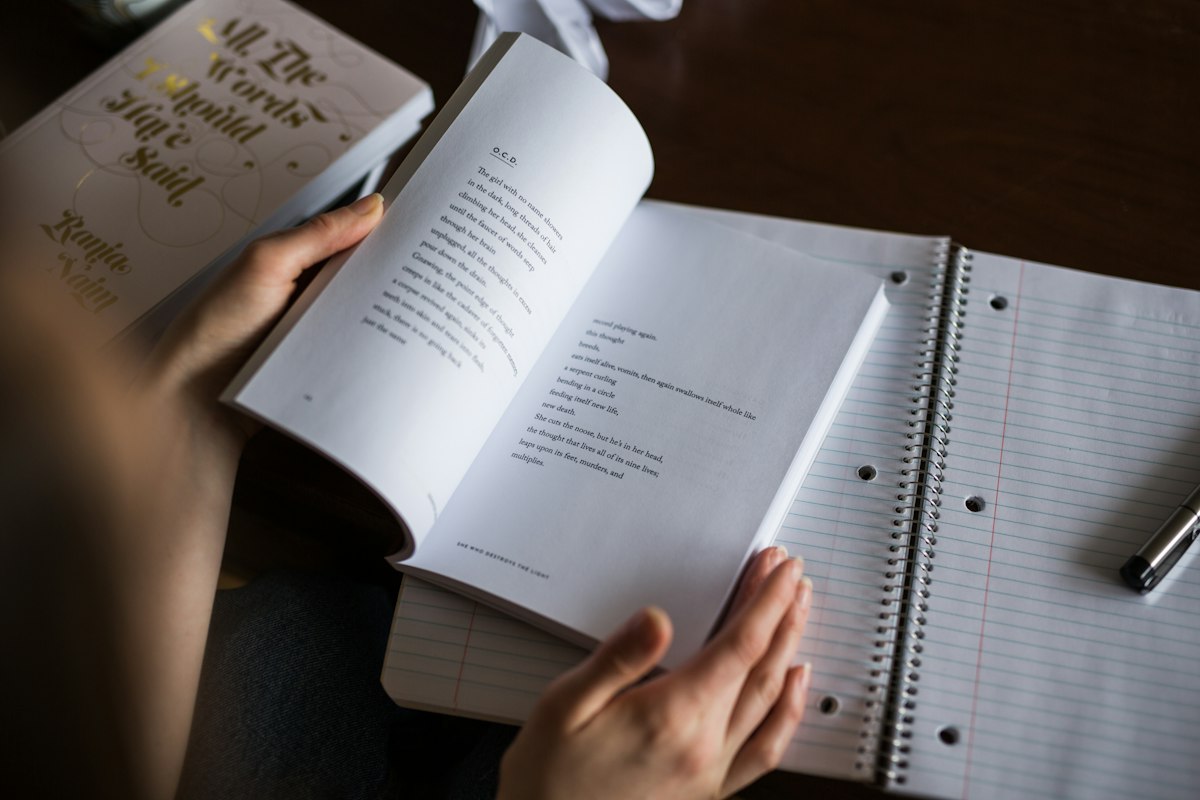
Use a book you own, a library collection, or an authorized publication. Start with a piece short enough to read comfortably in the time available. Keep the poet’s name and the title together. If the poem is unfamiliar, you can read it first without immediately searching for someone else’s interpretation.
Read once for the overall impression
Notice what kind of scene or feeling reaches you. Let an unclear word remain a question for the moment if that keeps the reading moving. You are not taking an exam. The first pass can simply establish what the poem seems to be looking at and where your attention naturally pauses.
Read again for one detail
Look at a repeated sound, an unexpected comparison, or a line break that changes the pace. Reading aloud quietly may help you hear the movement if the setting allows. Choose one observation rather than trying to explain the entire piece. A question you cannot yet answer is also a useful response.
Save the reference, not a copied page
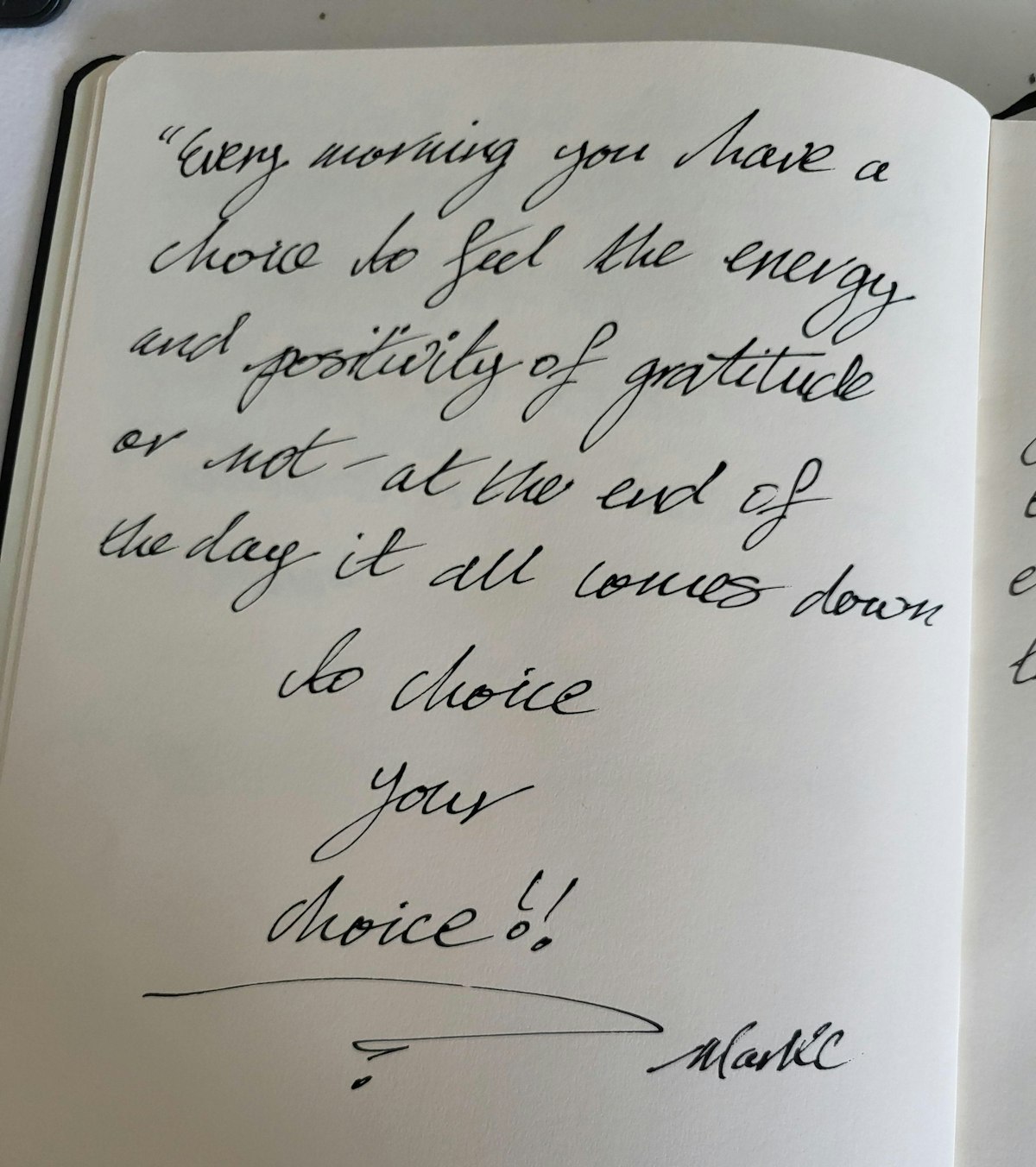
Write the title, poet, and where you found it, followed by your own brief observation. When sharing, point readers to an authorized source rather than reproducing the whole work. You can return later with a different mood or more time. The small first encounter is already a complete reading moment.
What kind of image or sound makes you want to reread a poem?
This is an original editorial example, drafted with AI assistance for the Little Days preview. It is not a submitted user story or a claim of personal experience. The photo is illustrative stock photography.