A short thank-you can feel personal when it names what happened. You do not need a formal occasion or an impressive card. A few sentences about the actual help, kindness, or shared moment can carry the message clearly.
Name the action
Begin with what the person did: lent a tool, brought dinner, explained a confusing task, or made time for a conversation. Keep the wording natural to your relationship. The purpose is to make the recipient recognize the moment, not to find the most elaborate expression of gratitude. A simple opening gives the note somewhere concrete to begin.
Say what it changed
Add one sentence about the effect. Perhaps the borrowed tool let you finish a repair, or the conversation made a difficult afternoon feel less lonely. Share only what you are comfortable sharing. A clear detail is often more meaningful than a broad statement that the person is always wonderful at everything.
Choose a comfortable format
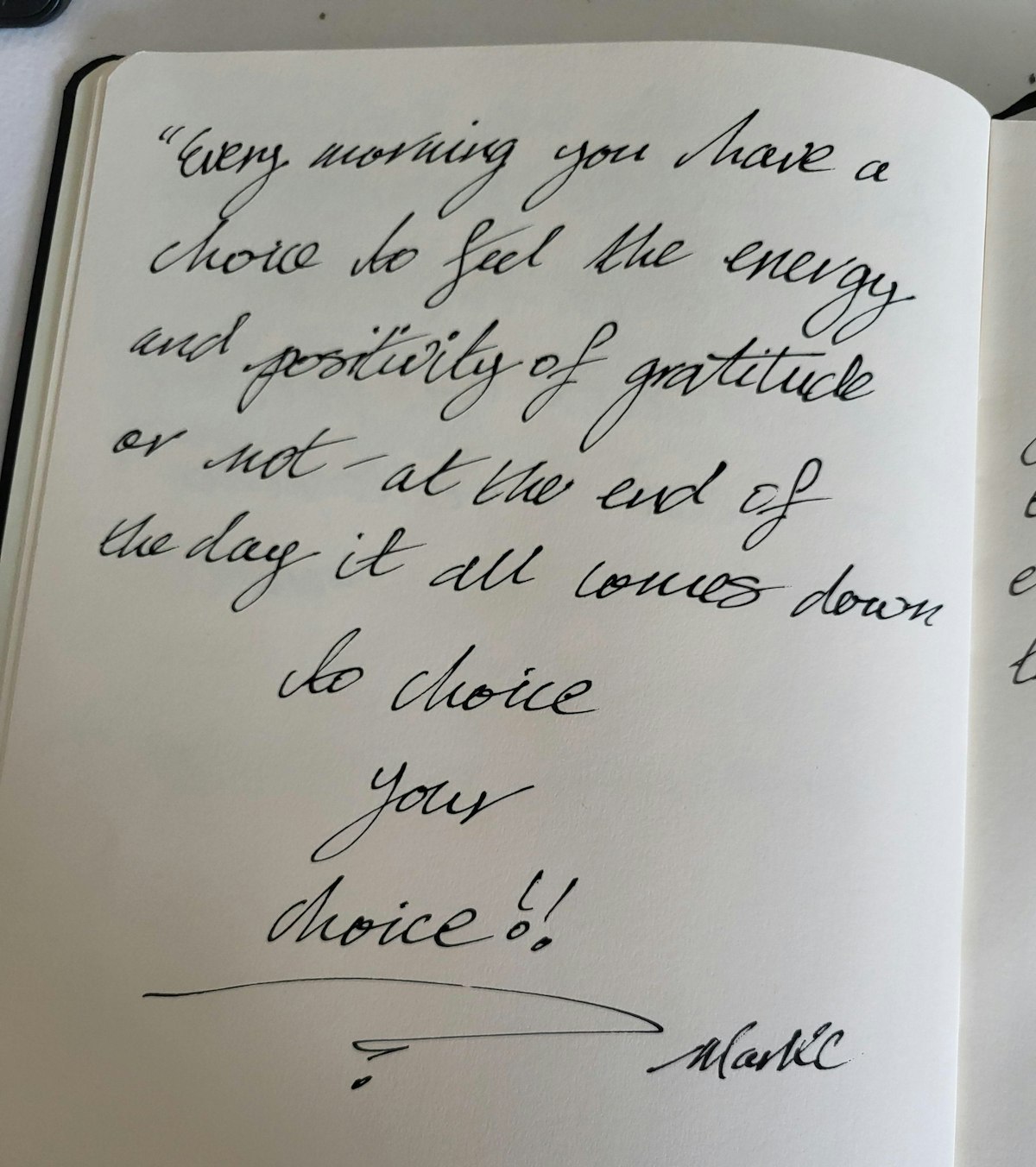
A handwritten note, email, or private message can all work. Use the channel that suits the relationship and the moment. If you write on paper, make the address and name clear before sending. Do not post private messages publicly without permission simply because the sentiment is positive.
Let the thanks stand on its own
Close warmly without adding an unrelated request. Send the note while the moment is still recognizable, but do not let a delay prevent a sincere message. Keep a small supply of cards if you enjoy writing them. The habit depends more on noticing a specific kindness than on having perfect stationery ready.
What small kindness could you thank someone for this week?
This is an original editorial example, drafted with AI assistance for the Little Days preview. It is not a submitted user story or a claim of personal experience. The photo is illustrative stock photography.