A garden can contain more than you can comfortably see in one visit. Choosing a single path or section lets you spend time with the details instead of trying to complete a map. The smaller route can be especially pleasant when you want an outing without a full day of plans.
Choose the section before arriving
Check the garden’s current access, opening times, fees, and visitor guidance. Look for a route that fits your mobility and the weather. Decide on a manageable area rather than promising to see everything. A bench, a shaded section, or a particular planting can give the visit a clear destination.
Read a few labels carefully
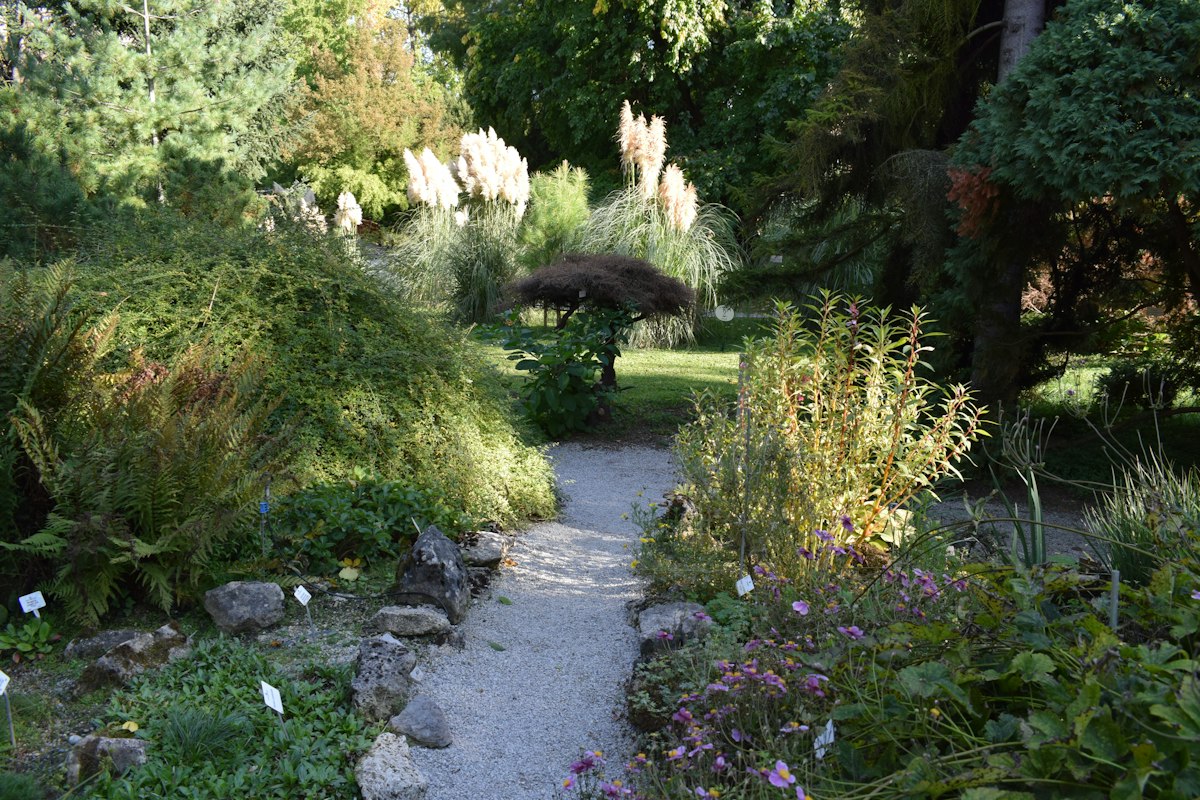
Choose two or three plants that interest you and read the information provided. Record the names if you want to learn more later. Do not assume a plant is suitable for your home climate or growing space simply because it looks appealing here. The garden may be caring for it under very different conditions.
Notice arrangement as well as individual flowers
Look at how leaves, heights, paths, and open space work together. A planting can be interesting even when few flowers are open. Stay on permitted routes and leave plants untouched unless the garden explicitly invites interaction. The visit can offer design observations without becoming a collection of cuttings or samples.
Keep one thing to follow up
Afterward, choose a plant name, a color combination, or a layout detail to remember. Check a reliable gardening source if you plan to act on the idea. You may simply want to return in another season. Leaving part of the garden unseen gives a future visit somewhere natural to begin.
Do you notice flowers, leaves, or the layout first when visiting a garden?
This is an original editorial example, drafted with AI assistance for the Little Days preview. It is not a submitted user story or a claim of personal experience. The photo is illustrative stock photography.