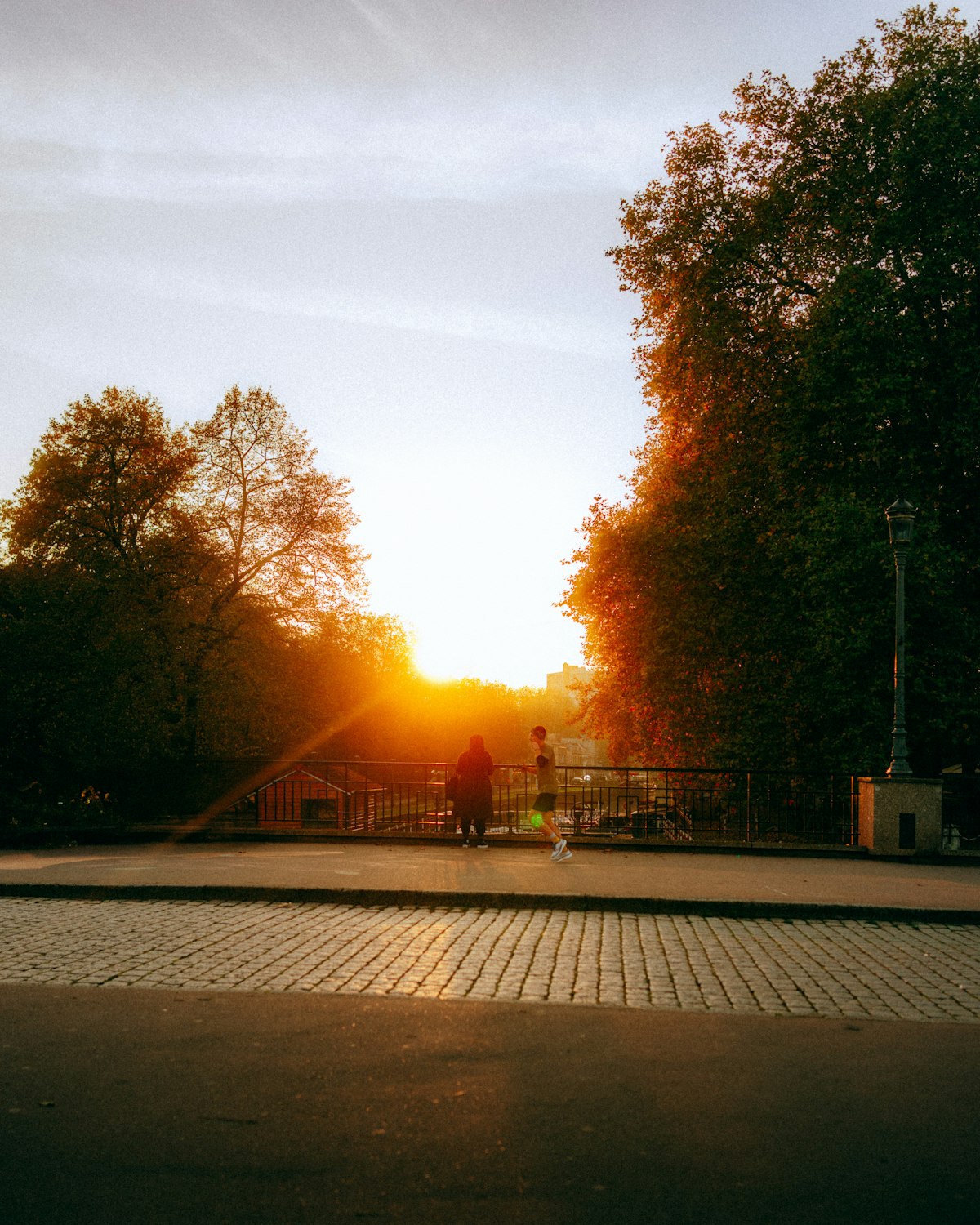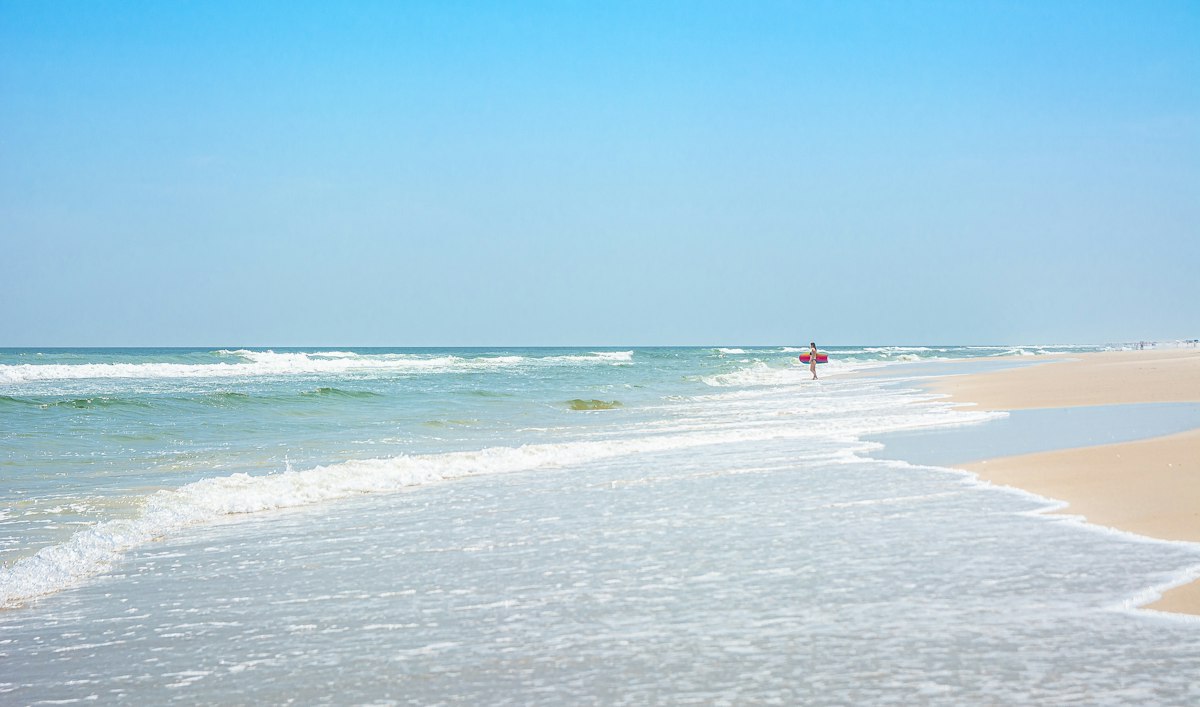
A visit to the water can be an outing built around looking rather than doing. You do not need to collect shells, cover a set distance, or get a particular photograph. A short stretch of accessible shoreline may offer enough variety on its own.
Check the conditions before leaving
Use current local information for access, weather, tides where relevant, and any closures or warnings. Choose a permitted route suited to your abilities and the conditions. Stay away from unsafe edges and changing water. The plan should remain flexible enough to become a different outing if the shoreline is not a suitable place that day.
Choose a clear turnaround point
A public landmark or a time limit can keep the walk manageable. Leave enough time and energy for the return. You can turn around earlier if conditions change. A modest route makes it easier to stop and look rather than treating the whole visit as a distance you must complete.
Observe without collecting
Notice the lines left by water, the colors of stones, or the way light changes across the surface. Leave natural objects and wildlife undisturbed and follow local rules. A photograph or a written description can preserve the memory without removing anything. Keep attention on your footing while looking for a picture.
Carry one detail home
Choose the sound, texture, or view that stood out. Write it down when you are comfortably away from the water. The record can be very short. A walk that leaves you with one clear observation has enough of a story, even if the sky was gray and nothing unusual happened.
What do you notice first when you arrive beside the water?
This is an original editorial example, drafted with AI assistance for the Little Days preview. It is not a submitted user story or a claim of personal experience. The photo is illustrative stock photography.