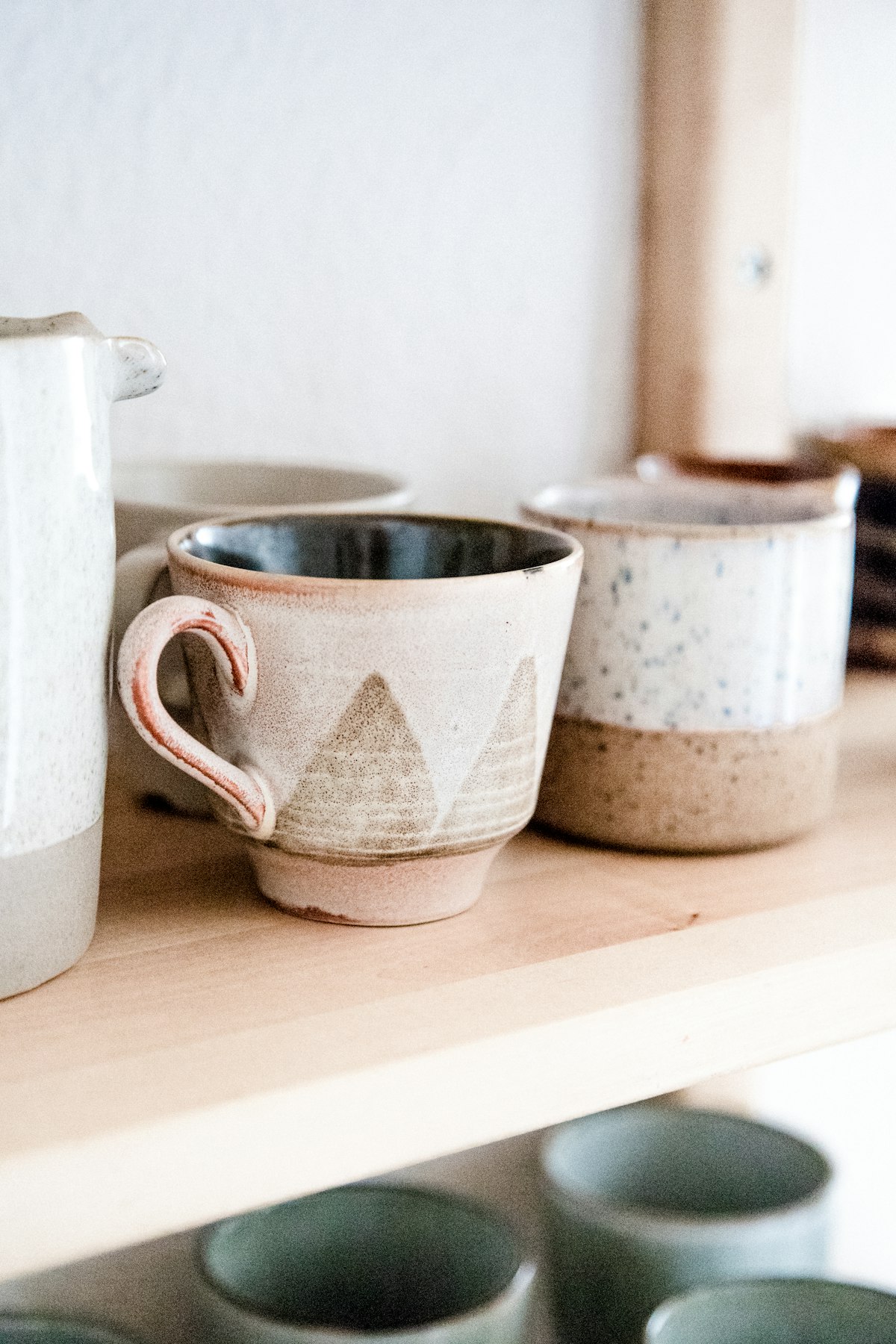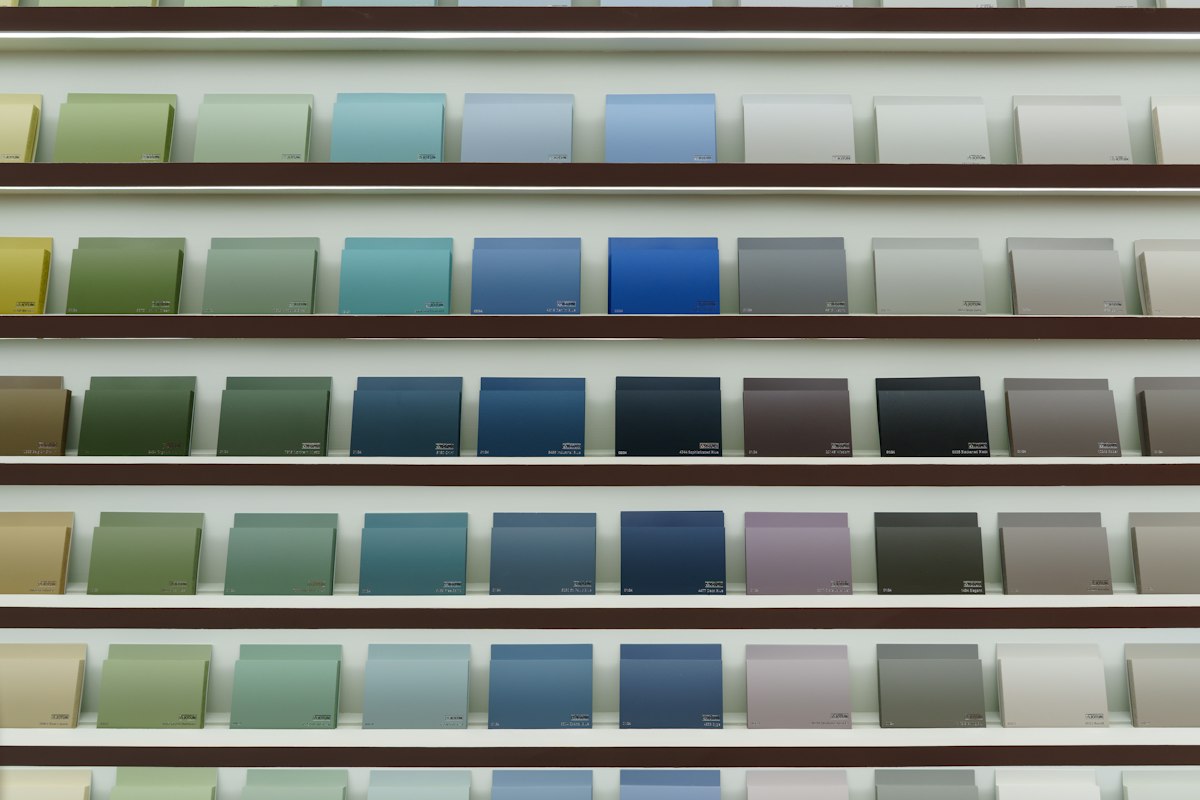
A pleasing combination of colors can turn up in a grocery bag, a book cover, or the view through a window. You can keep a record of it without buying paint or redecorating anything. Three small swatches are enough to remember the impression.
Start with one real observation
Choose a scene or object that catches your attention. Look for the main color and one or two smaller accents. Describe them in your own words, such as dusty blue or warm orange. The names do not have to be precise. You are recording what you noticed, not creating a technical color specification.
Make a modest set of swatches
Use colored pencils, scraps of paper, or a simple digital drawing tool. Approximate the colors with what you have. Put the largest area of color beside smaller accents if that reflects the original scene. The proportions can be part of what made the combination interesting, even when the individual colors are familiar.
Write down where it came from
Add a short note about the source: a striped awning, a bowl of fruit, or an old cover. If using someone else’s artwork as inspiration, keep the credit and avoid presenting a copy as your own original design. A location or object name helps the palette remain connected to the day you noticed it.
Let it be a record first
You may eventually use the colors in a card, a sketch, or a small craft. There is no need to assign them a project immediately. Put the swatch page with your other notes and look back later. A collection can be enjoyable because it preserves attention, even when it never becomes a finished object.
Which three colors stood out to you today?
This is an original editorial example, drafted with AI assistance for the Little Days preview. It is not a submitted user story or a claim of personal experience. The photo is illustrative stock photography.