Choose one activity before arranging a corner. Reading, knitting and having tea need different surfaces and different kinds of reach. A chair that looks inviting from the doorway can still be awkward to use.
Start from the seat
Sit in the chair you already own, wearing the footwear you normally use indoors. Put your feet where they naturally rest. Reach for an empty cup, a book and the lamp switch. If you need to twist behind the chair, lean over an armrest or lift a basket out of the way, adjust the layout before adding decoration.
For a bedside version, do the same test from the bed. Keep the items needed during the night within a comfortable reach, while leaving space to get up. A small tray can help loose items stay together, but a tray that occupies the whole surface leaves nowhere to set a glass.
Plan two surfaces, even if one is tiny
Separate the surface used during the activity from the place where supplies wait. The first might hold a book and a drink; the second might be a shelf or basket beside the chair. This prevents a pile of reading material from occupying the only usable part of the table.
| Activity | Within reach | Stored nearby |
|---|---|---|
| Reading | Current book, glasses if used, task light | One next book and a bookmark |
| Handcraft | Current work and its instructions | Closed pouch for small or sharp tools |
| Tea break | Stable cup space and a coaster if needed | A tray returned to the kitchen afterward |
These lists are examples, not shopping lists. Start by moving existing objects. If the corner doubles as a dining space, store the activity supplies together so the table can return to its meal-time purpose.
Check the light after sunset
A daytime photograph cannot tell you whether an evening reading spot works. Try the lamp when you expect to use it. Look for glare on the page or screen and for a shadow cast by your own shoulder. Move the lamp within the limits of its cord and stable base. Follow the fitting’s instructions for bulbs and clearances.
Route the cord so it does not cross a walking route or become pinched by furniture. Do not cover electrical equipment with a blanket to hide it. If the existing light cannot serve the task comfortably, note the missing function before choosing a replacement.
Add a blanket or plant only after the layout works
A blanket needs a place that is easy to use when you are finished. A basket can work if its opening is reachable and it does not obstruct your feet. If folding is the step that always gets skipped, a neat drape over the chair may suit the routine better.
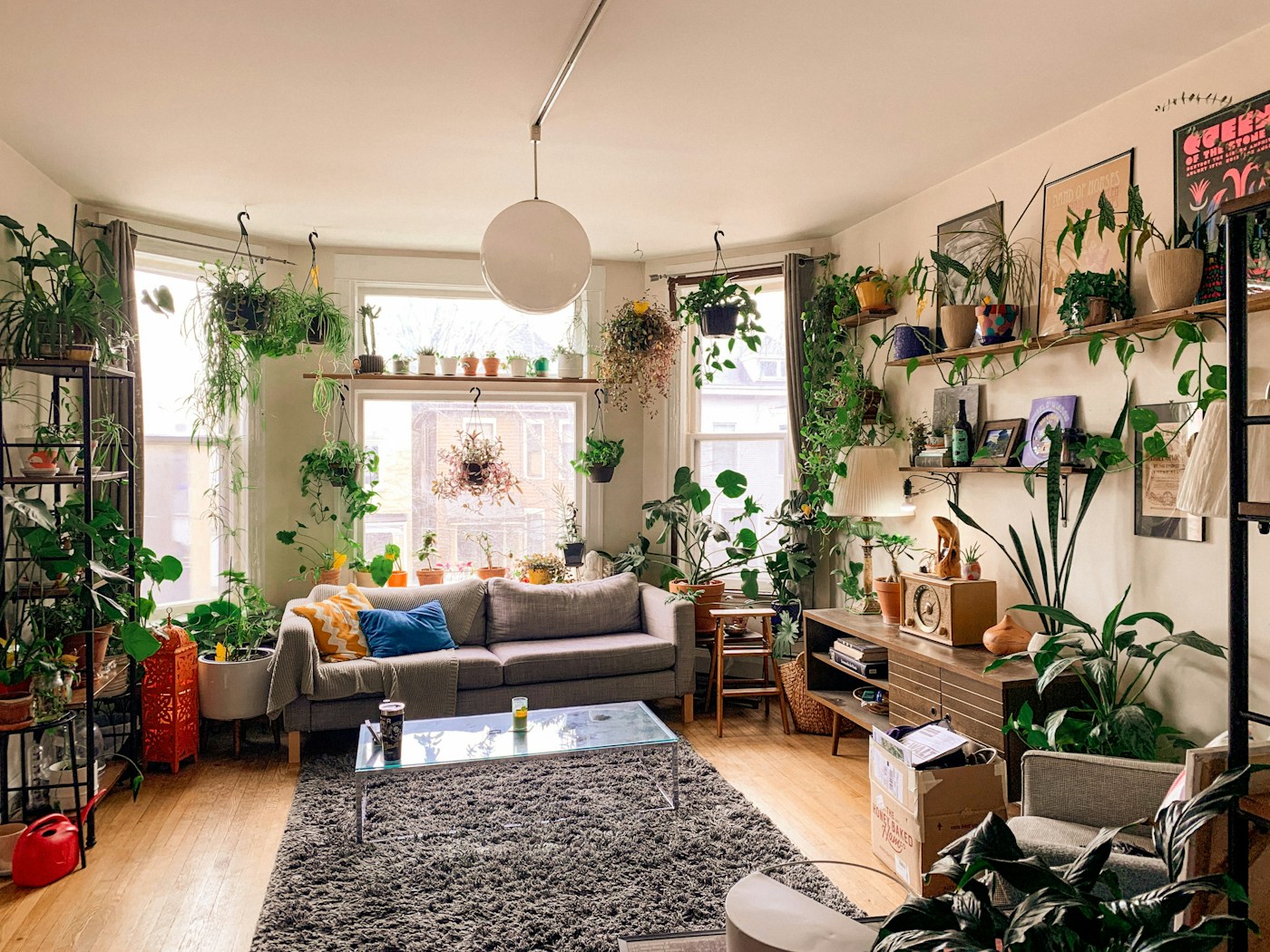
For a plant on the window ledge, first identify the plant and check its care requirements. A visually convenient ledge may have unsuitable light or temperature. Protect the surface from water, keep the window usable and check suitability around children or pets. A single cut stem in a stable vessel is another option, but it also needs a secure position away from the working surface.
Let use decide what stays
Use the arrangement for three ordinary sessions. Record one obstruction, one missing item and one object you never touched. Move or remove that last object if it makes the activity harder. This small trial is more informative than trying to make every object coordinate.
The corner is finished when you can begin your chosen activity without clearing a pile first. It can remain visually simple, change with the season and share its space with the rest of the room.
Prepared with AI assistance for Little Days. Worked examples are illustrative, not reports of an editor’s personal experience. Follow the linked sources and the instructions for your own equipment or circumstances.
Updated October 30, 2026: expanded into a practical guide with examples and a local worksheet.