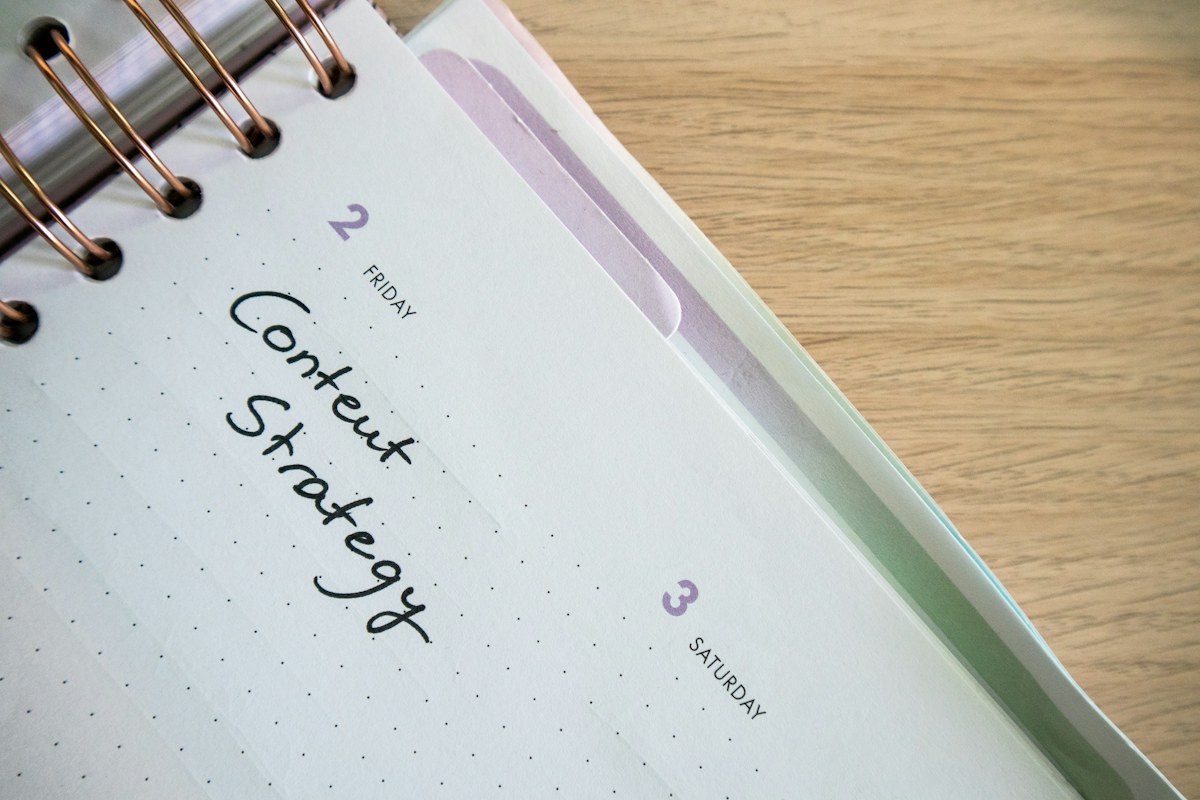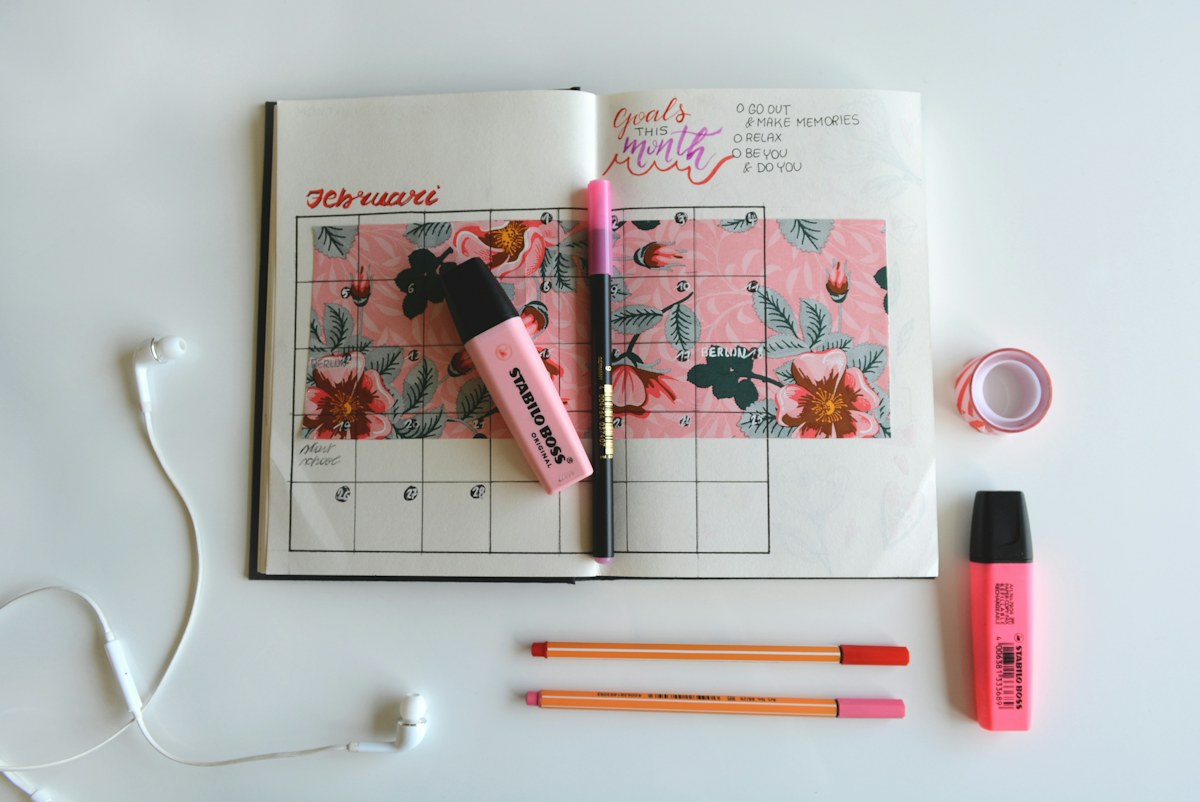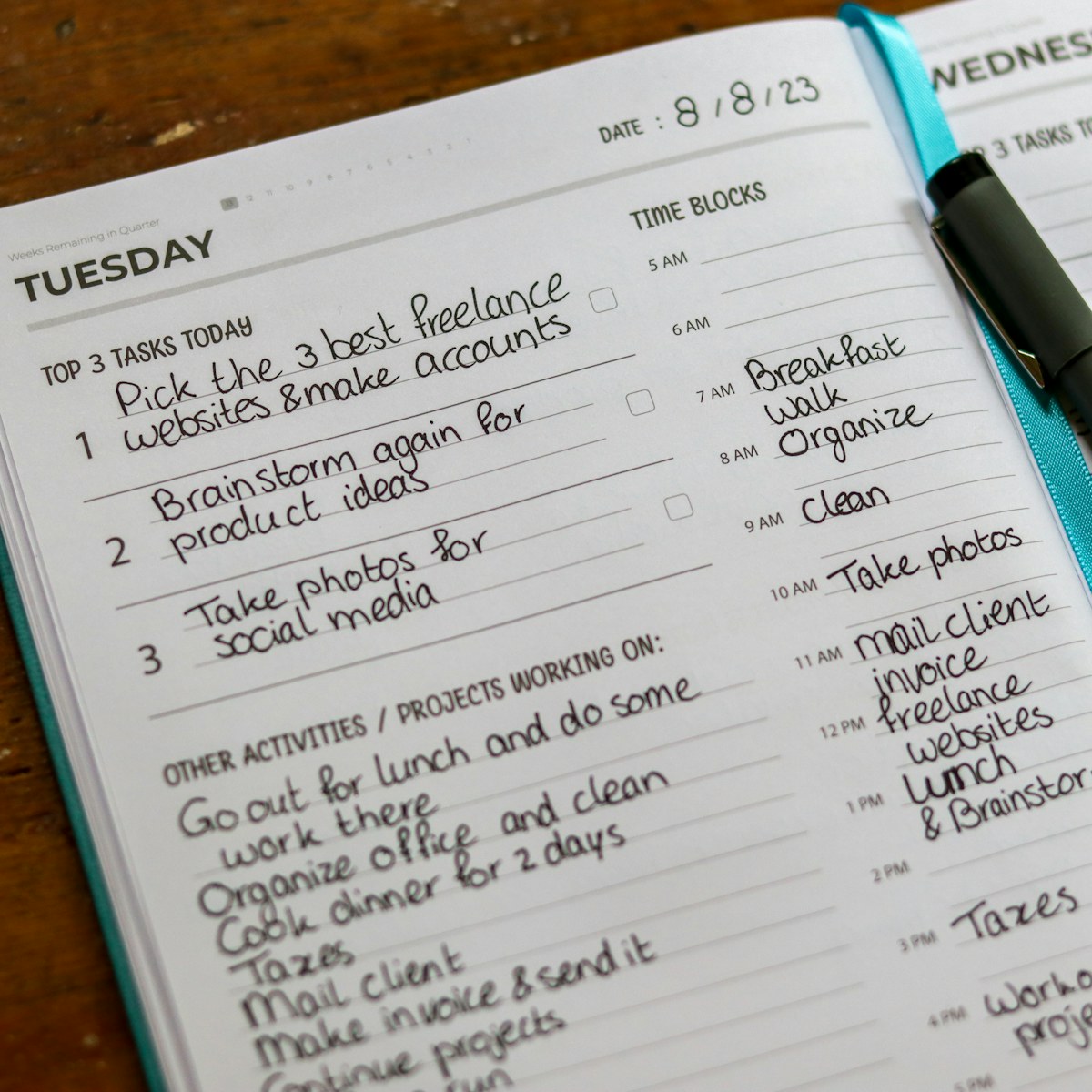
A weekly note can be useful without becoming a detailed review. Three clear lines can preserve something you enjoyed, something unfinished, and something you want to carry into the next week.
Choose three different jobs for the lines
Try one line for a moment, one for a practical loose end, and one for an idea. For example: “Rain at the kitchen window,” “Return the library book,” and “Try the nearby walking route.” The categories keep the note from becoming either a long task list or a demand to find a lesson in everything that happened.
Use details that mean something later
“A good afternoon” may be difficult to remember a month from now. “Coffee with a friend after the rain” gives you more to hold onto. You do not need to include private names or exact locations. A short concrete description can stay meaningful while keeping the note comfortable to store or share.
Move an actual task into your usual system
If the second line contains something you need to do, put it on the calendar or list you already use. A journal entry is easy to overlook when it doubles as a reminder. You can keep a mention in the note without relying on it to trigger the action. This lets the weekly page remain a record rather than becoming another place you have to monitor.
Allow some weeks to be brief
There may be a week when the entry is simply “Busy, tired, glad the laundry is done.” That is still a record. Skip elaborate formatting if it makes starting harder, and do not invent a highlight because you think the page should look cheerful. If you publish an excerpt, select what you are comfortable making public and leave the rest in your own notebook.
What three small lines would describe your week?
This is an original editorial example, drafted with AI assistance for the Little Days preview. It is not a submitted user story or a claim of personal experience. The photo is illustrative stock photography.