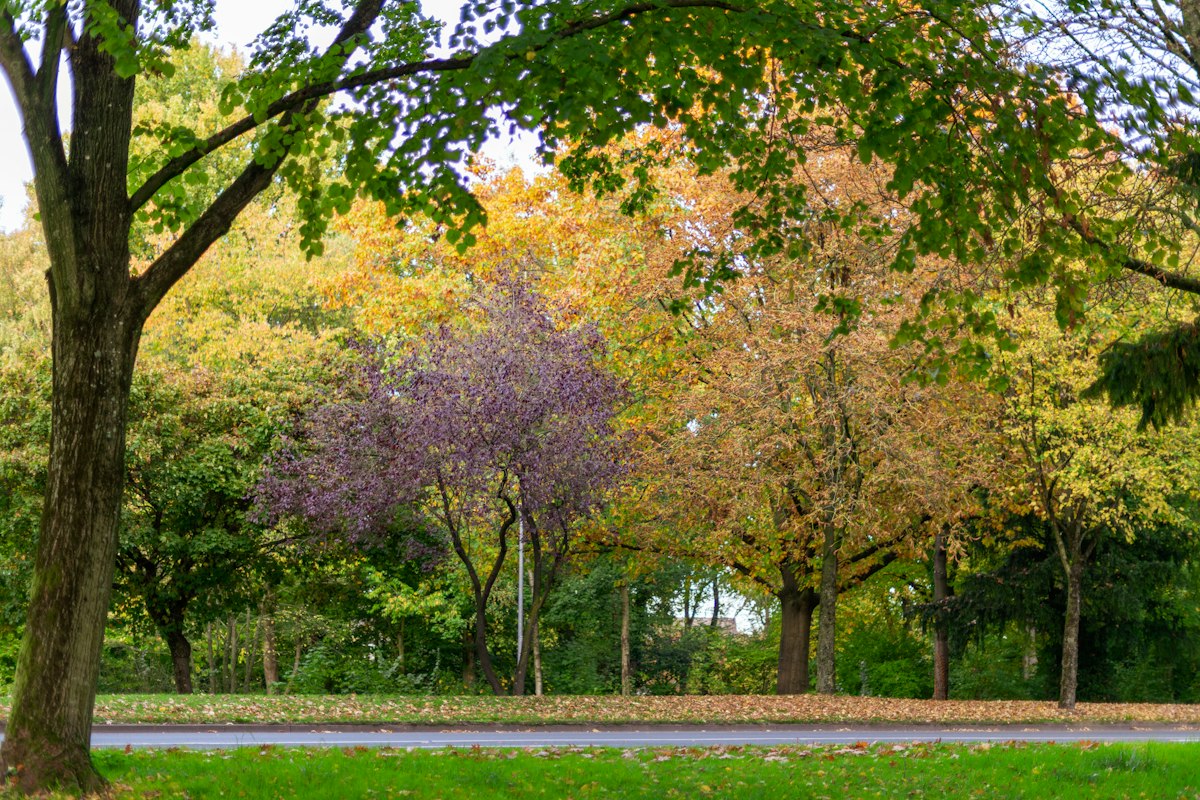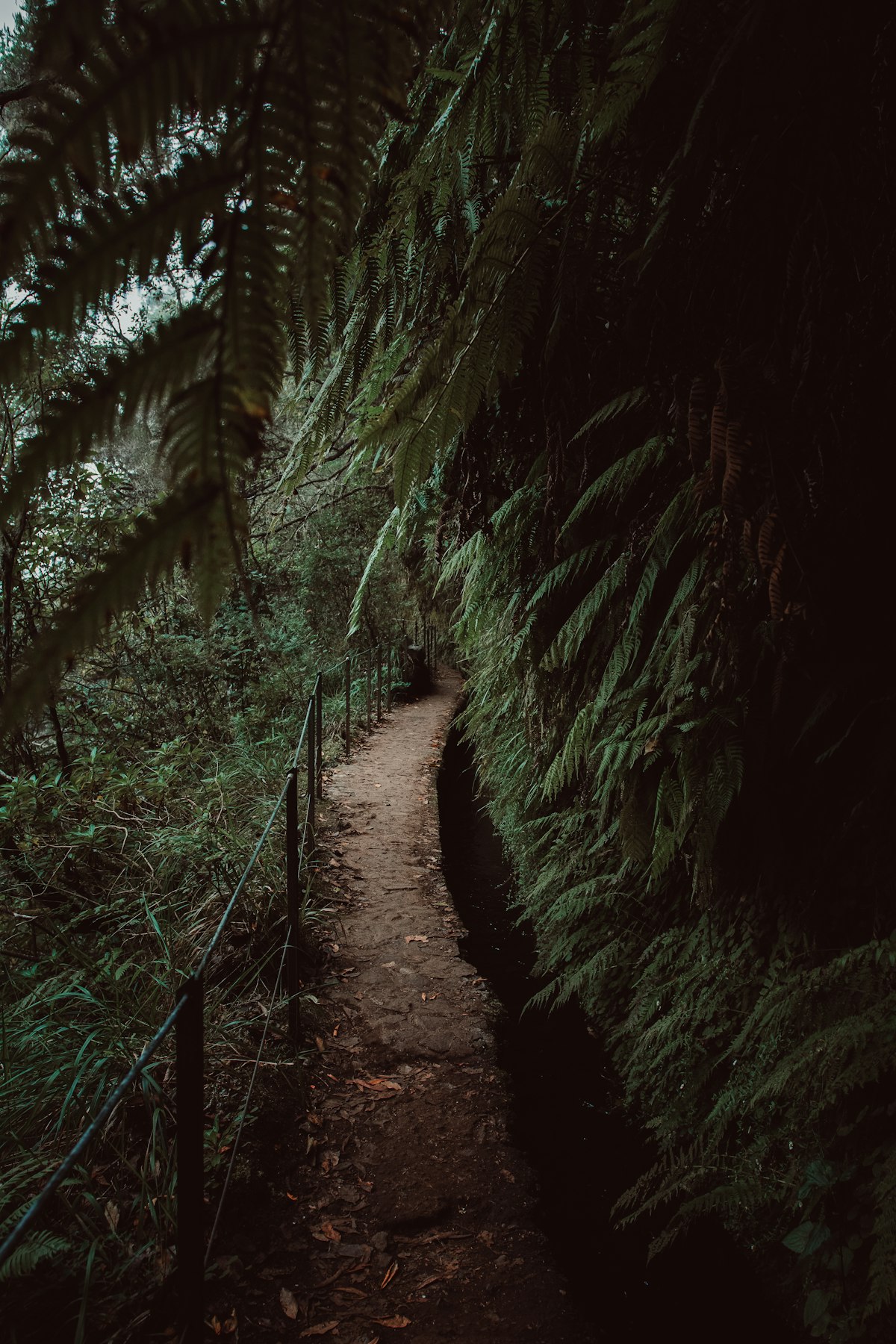
A shorter route can leave more room for looking, resting, and returning comfortably. Choosing it deliberately removes the feeling that a walk only counts when it covers a long distance. The right route is the one that suits the people and the day.
Read current local information
Check the managing organization’s trail description, access conditions, closures, and weather guidance. Distance alone does not describe difficulty; surfaces, elevation, and accessibility matter too. Choose within your abilities and prepare appropriately for the location. A familiar short route can still require a different plan when conditions change.
Agree on the pace and return
If going with others, discuss a comfortable pace and a turnaround plan before starting. Allow people to speak up if they need to stop. Keep the return journey in mind rather than using all your time on the outward stretch. The plan can be adjusted without treating the change as a disappointment.
Choose a few observation pauses
Stop in suitable places off the main flow of the path. Notice bark, leaf shapes, light, or sounds without disturbing plants and wildlife. Stay on designated routes and follow local guidance. You do not need to identify every species to enjoy looking closely; an accurate description can be enough for later research.
Keep a practical route note
Afterward, record the official route name and what made it suitable or unsuitable for you. Avoid presenting one visit as a permanent statement about trail conditions. Check fresh information before returning. A personal note is most useful when it helps you remember your own experience while leaving room for the place to change.
What makes a short nature walk feel complete to you?
This is an original editorial example, drafted with AI assistance for the Little Days preview. It is not a submitted user story or a claim of personal experience. The photo is illustrative stock photography.