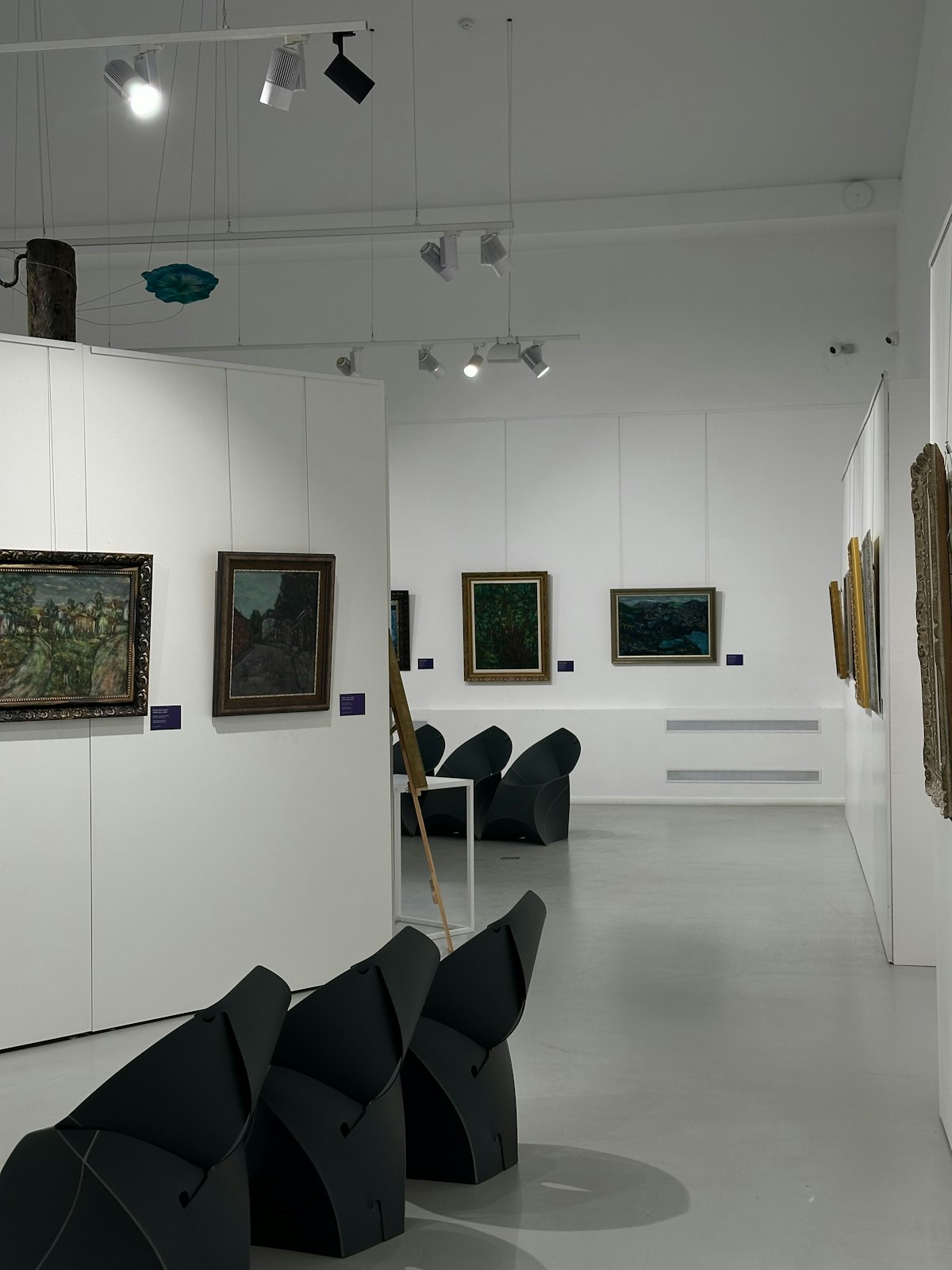
A museum visit does not have to cover every floor to feel worthwhile. One gallery can offer enough material for a thoughtful hour or less. Choosing a smaller scope lets you spend time with individual objects instead of measuring progress by rooms completed.
Check the visit before going
Look at the museum’s current hours, admission details, access information, and any booking requirements. Confirm that the gallery you want is open. Choose a time and length that fit your day. A smaller plan can still benefit from preparation, especially if travel or timed entry is involved.
Choose an object before reading everything
Walk through slowly and notice what draws your attention. Stop at one object and look at its scale, surface, and details. Respect barriers and instructions. You can form a few questions before reading the label: what is this material, what is missing, or how might the object have been used?
Use the label as a conversation
Read the available information and compare it with your first impression. Distinguish the museum’s account from your own response. If a question remains, note it for later or ask staff when appropriate. You do not need to memorize every date for the encounter to be meaningful. One corrected assumption can be an interesting discovery.
Leave with a clear reference
Record the title or object name, maker if known, and the museum. Follow photography rules and credit artworks appropriately if sharing. Write a few original sentences about what held your attention. You can leave other rooms for another visit rather than turning the end of the outing into a hurried attempt to see everything.
Would you rather spend longer with one object or browse a whole collection?
This is an original editorial example, drafted with AI assistance for the Little Days preview. It is not a submitted user story or a claim of personal experience. The photo is illustrative stock photography.