You can notice seasonal change without traveling to a famous landscape. A tree on a familiar public route offers a steady reference point. Returning occasionally makes small differences easier to see because the location itself remains recognizable.
Choose a tree you naturally pass
Look for one visible from a public, accessible place. Avoid a location that requires stepping into traffic or onto private property to see it. The best choice is easy to revisit during ordinary activities. A modest tree beside a library may be more useful for this project than a spectacular one far from home.
Record the starting view
Write the date and describe the leaves, branches, and light. Take a photograph from a suitable viewpoint if you want a visual record. You do not need to identify the species immediately. If you research it later, use reliable resources and keep uncertain identification clearly marked as uncertain.
Return without demanding a change
Look again after a while and see what is different. Some visits may show very little change, and weather can alter the impression from one day to another. Leave the tree and its surroundings undisturbed. The project is about repeated attention, not collecting branches or proving a predictable seasonal timetable.
Keep the observations together
Put the notes or pictures in one folder with dates. Compare a few at a time rather than trying to create a daily record you do not want to maintain. The sequence can reveal changes you barely noticed during each visit. It also gives an ordinary route a small, ongoing point of interest.
Which tree near you would be easy to visit through the year?
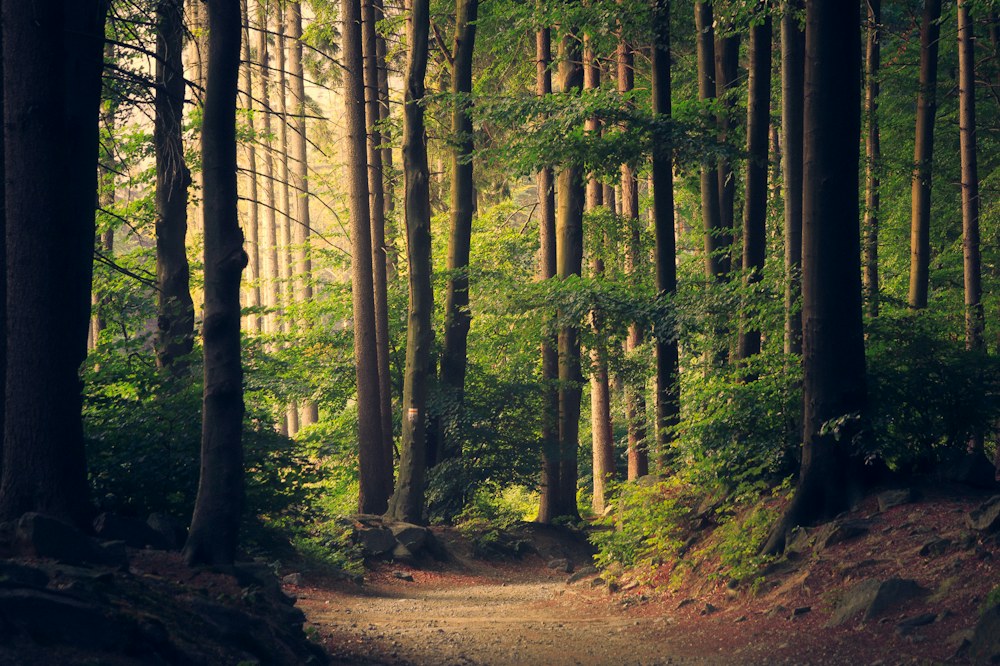
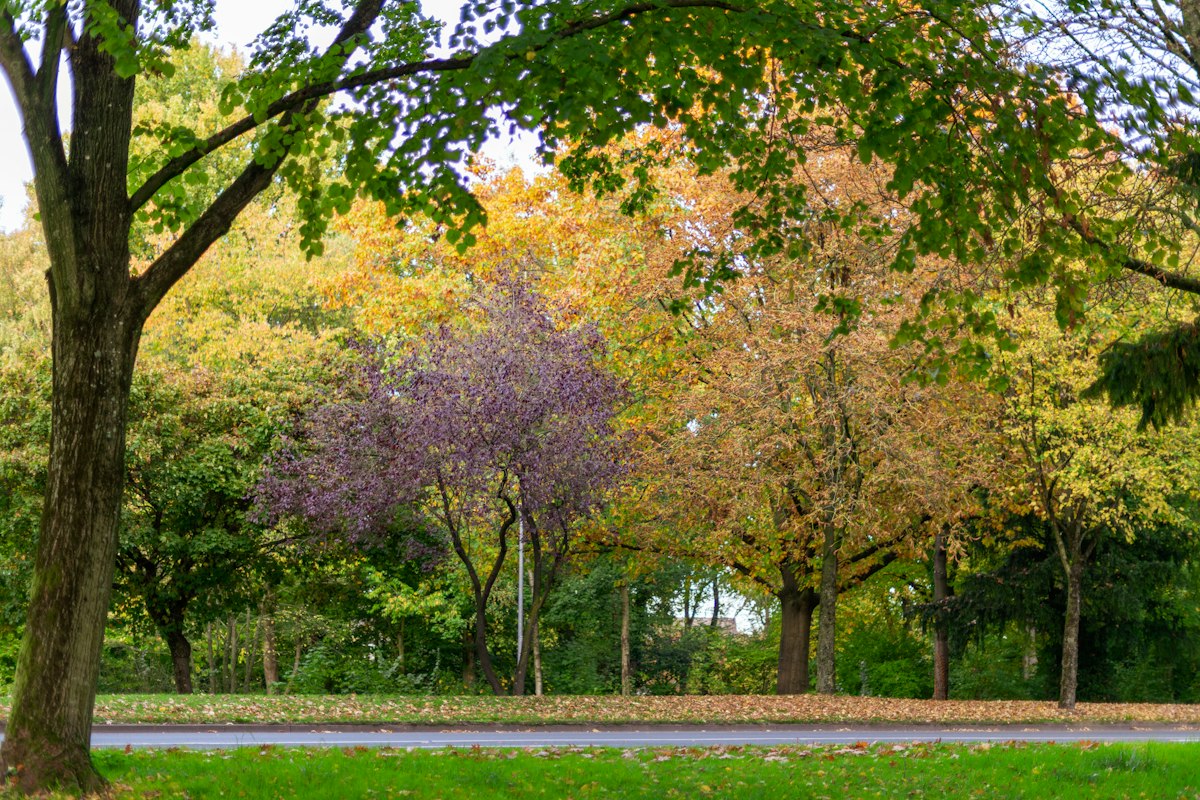
This is an original editorial example, drafted with AI assistance for the Little Days preview. It is not a submitted user story or a claim of personal experience. The photo is illustrative stock photography.