Ideas arrive at inconvenient times: a craft to try, a nearby place to visit, or a meal to make. Keeping them in one list can free you from deciding immediately. The list becomes more useful when you occasionally remove the ideas that no longer interest you.
Separate possibilities from commitments
Label the page as ideas or someday so it does not compete with actual appointments. Add only enough detail to recognize the thought later. If something has a deadline or another person is relying on you, place it in your real planning system. A possibility list should not hide responsibilities that need a specific date.
Write the appealing part
Instead of visit a garden, note the feature that interested you, such as a quiet path or a particular plant collection. Include a public source link when relevant. That detail helps you remember the reason for saving the idea. Without it, the list can become a collection of names that no longer mean much.
Review at a modest interval
Choose an occasional moment that fits your routine, perhaps when planning the next month. Cross out ideas that have lost their appeal without needing to justify the change. Keep the list short enough to read comfortably. An old idea does not gain importance simply because it has waited longer than the others.
Move one idea into a real plan
When something still interests you, check current details and choose a manageable next step. Transfer that step to the calendar or task list you actually use. Leave the other possibilities where they are. The list is working when it supports a good choice, not when you find a way to complete every item.
Which someday idea still sounds appealing when you read it again?
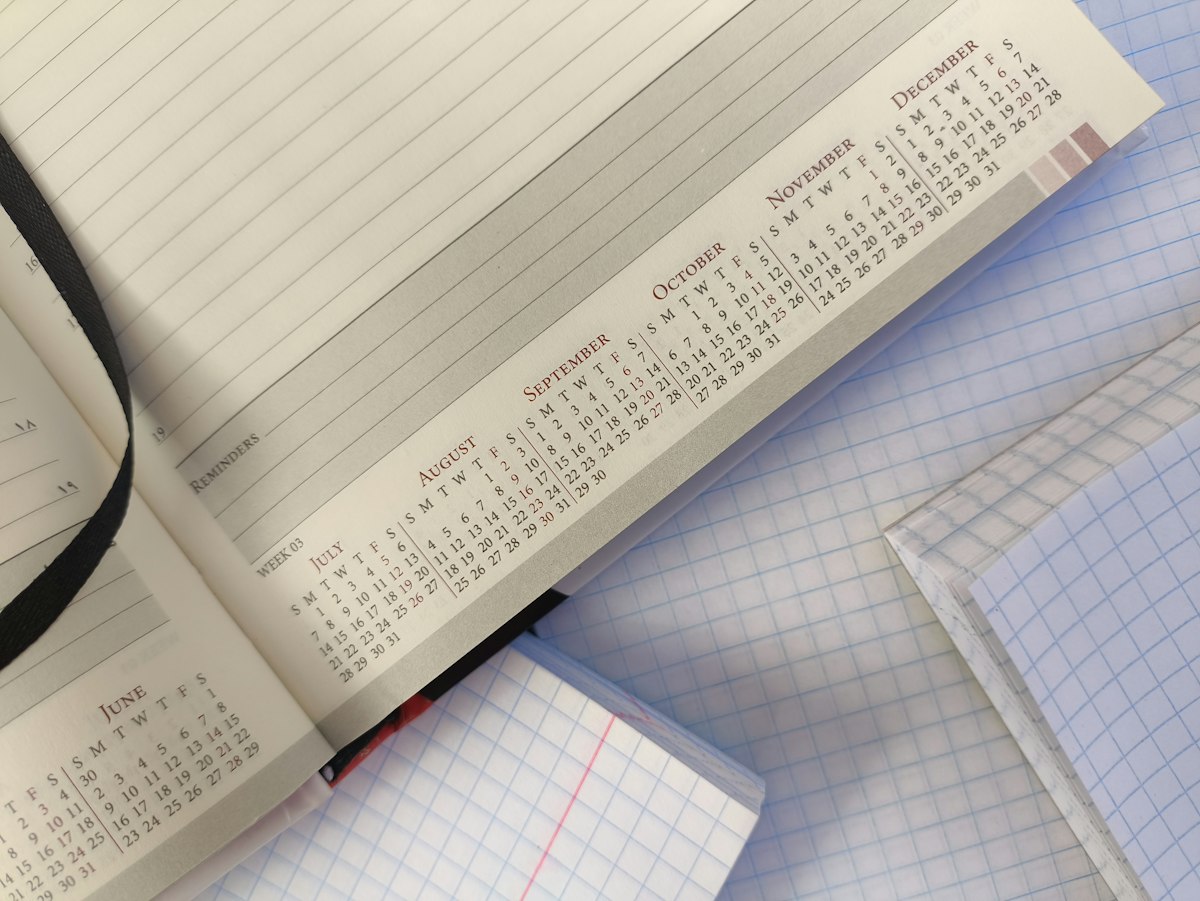
This is an original editorial example, drafted with AI assistance for the Little Days preview. It is not a submitted user story or a claim of personal experience. The photo is illustrative stock photography.