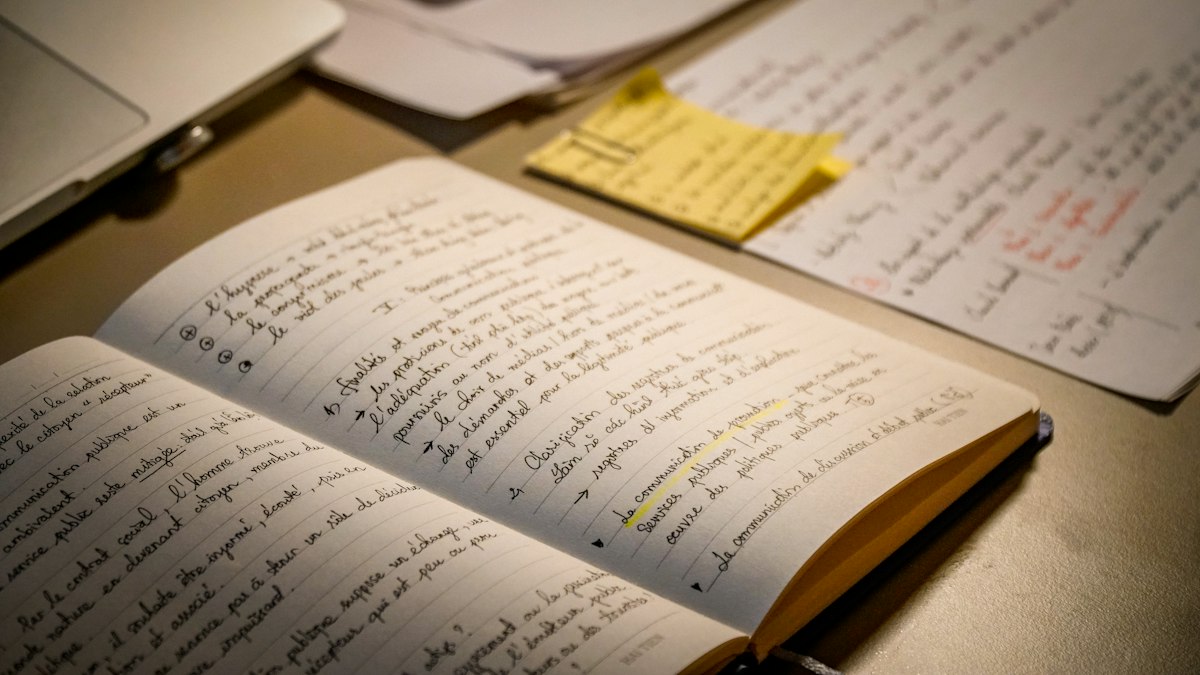
Curiosity often appears in the middle of something else. You wonder about a bird, a word, or the history of a building, then either interrupt the moment to search or forget the question entirely. A small question list offers a third option.
Write the question as you mean it
Use a complete sentence if a single keyword would be confusing later. Add the context that prompted it, such as a sign you saw or a phrase in a book. Keep the note short enough that it does not take over the activity. You are saving the question, not beginning the whole investigation immediately.
Leave uncertainty visible
If you are unsure of a name or observation, say so. A note such as possibly a maple leaf is more accurate than turning a guess into a fact. Include a personal reference photo only when appropriate and respectful of privacy. Clear uncertainty helps you choose better search terms when you return.
Choose one question to explore
At a convenient time, pick the question that still interests you. Look for a reliable source suited to the topic, such as an official institution or an established reference. Record the source and date when the information may change. Stop when you have answered the original question well enough for your purpose.
Keep the answer beside the question
Summarize what you learned in your own words and note anything still unresolved. You can cross out questions that no longer matter. The list is not an assignment to research everything. It is a way to let curiosity survive beyond the moment when it first appeared.
What small question have you been meaning to look up?
This is an original editorial example, drafted with AI assistance for the Little Days preview. It is not a submitted user story or a claim of personal experience. The photo is illustrative stock photography.