Learning a small skill can produce plenty of activity without a clear memory of what helped. A few notes after a practice session can preserve the useful detail: the instruction that made sense, the part that remains confusing, and what you want to try next.
Choose a modest practice task
Use a reliable teaching source and pick one manageable part of the skill. A drawing exercise, a familiar chord change, or a simple craft step can be enough. Keep the task suited to your experience and equipment. Write the source beside the exercise so you can return to the same explanation later.
Describe what you actually tried
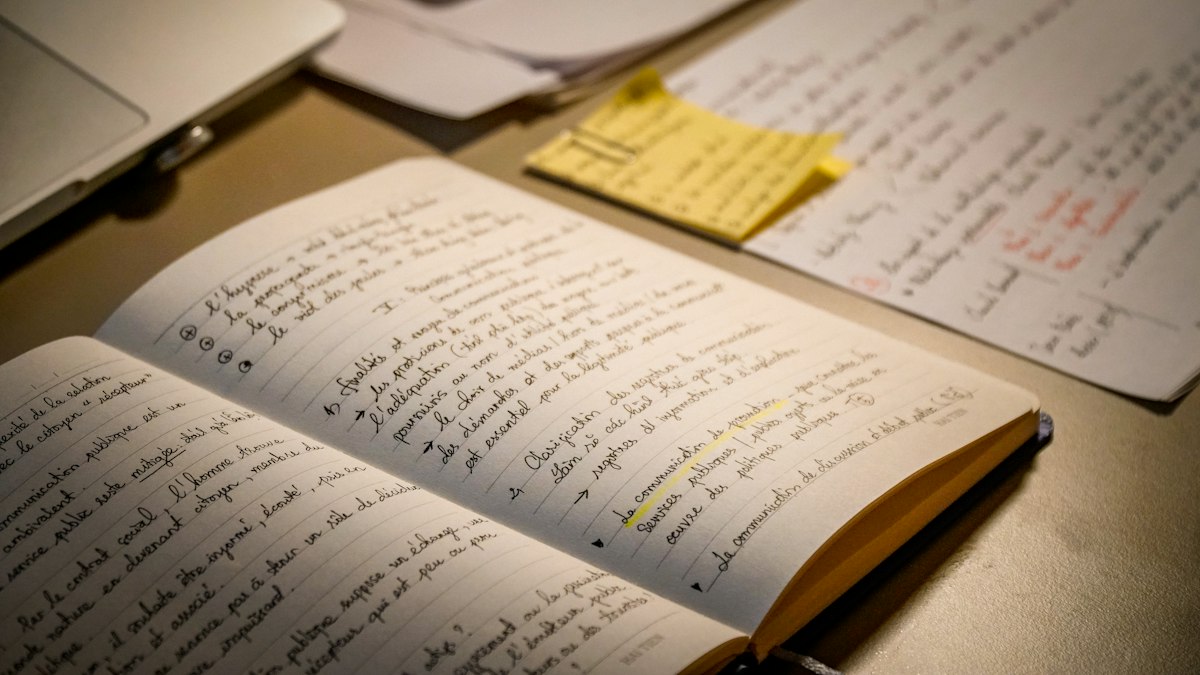
Record the task and the approximate time spent if that helps you plan. Avoid turning the log into a record of how disciplined you were. The useful information is what happened during the attempt. A short description such as practiced the same fold three times is clearer than a broad claim of worked hard.
Keep one observation and one question
Notice a specific improvement or difficulty. Perhaps an angle made more sense after rotating the paper, while another step remained unclear. Write the question precisely enough to ask a teacher or search an appropriate resource. Clear questions make it easier to get help than a general statement that you are bad at the whole skill.
Leave the next step small
Choose a related exercise or repeat the same one with a specific adjustment. Put the supplies away where you can find them. The log should make the next session easier to begin, not create a larger obligation. A sequence of small, understandable attempts gives you something useful to look back on.
What skill would you enjoy practicing in small, manageable sessions?
This is an original editorial example, drafted with AI assistance for the Little Days preview. It is not a submitted user story or a claim of personal experience. The photo is illustrative stock photography.