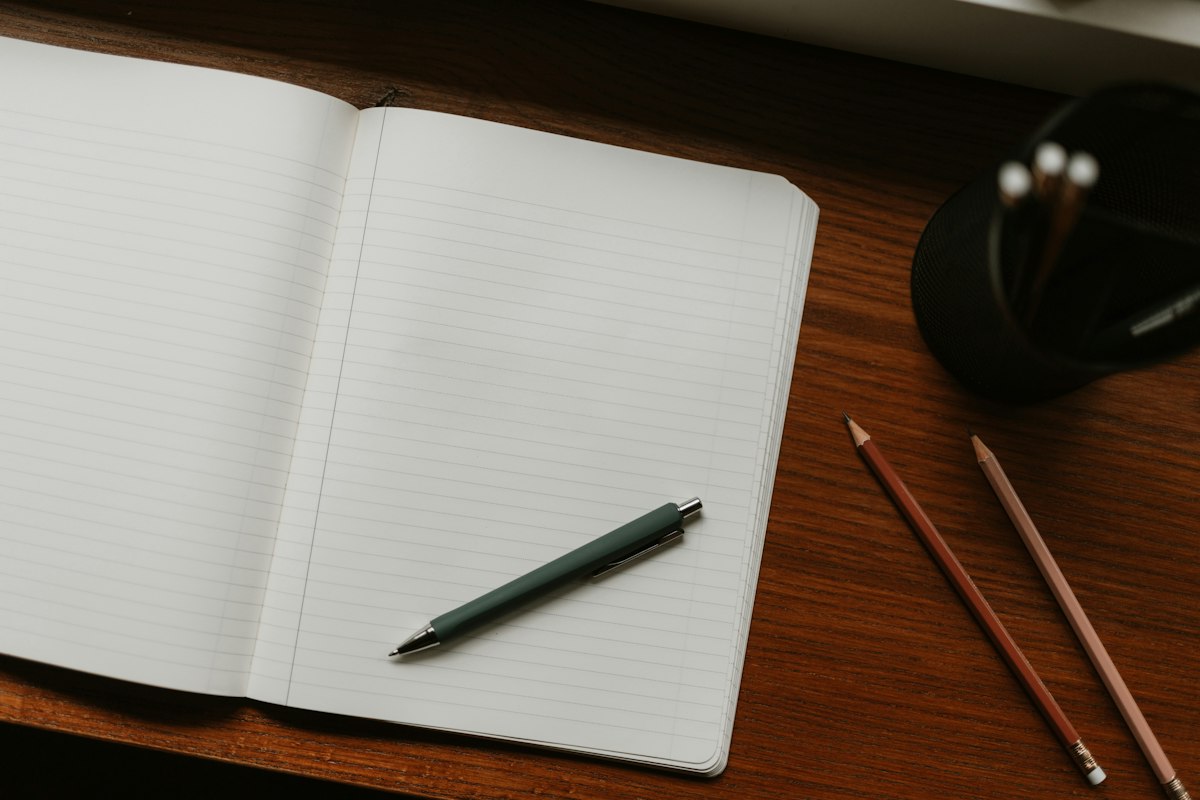
A letter to your future self can be a small time capsule. It does not need ambitious promises or predictions. The details of an ordinary day may become the most interesting part when the routines and surroundings have changed.
Begin with the present setting
Write the date, where you are sitting, and a few things that are part of your current routine. Include the book nearby, a meal you keep making, or the route you often walk. Choose details you are comfortable preserving. Concrete observations give the later reader something more recognizable than a general statement about being busy.
Describe a question still open
Write about something you are curious about or deciding, keeping sensitive information out if the storage method is not private. You do not have to solve it in the letter. An unfinished question can record your perspective more honestly than a confident prediction about how everything will turn out.
Ask rather than instruct
You might ask whether a favorite place is still part of your week or whether you tried a particular hobby. Avoid turning the letter into a list of obligations for a future date. Your interests and circumstances may change. A kind question leaves room for a different answer than the one you imagine now.
Choose a realistic reopening plan
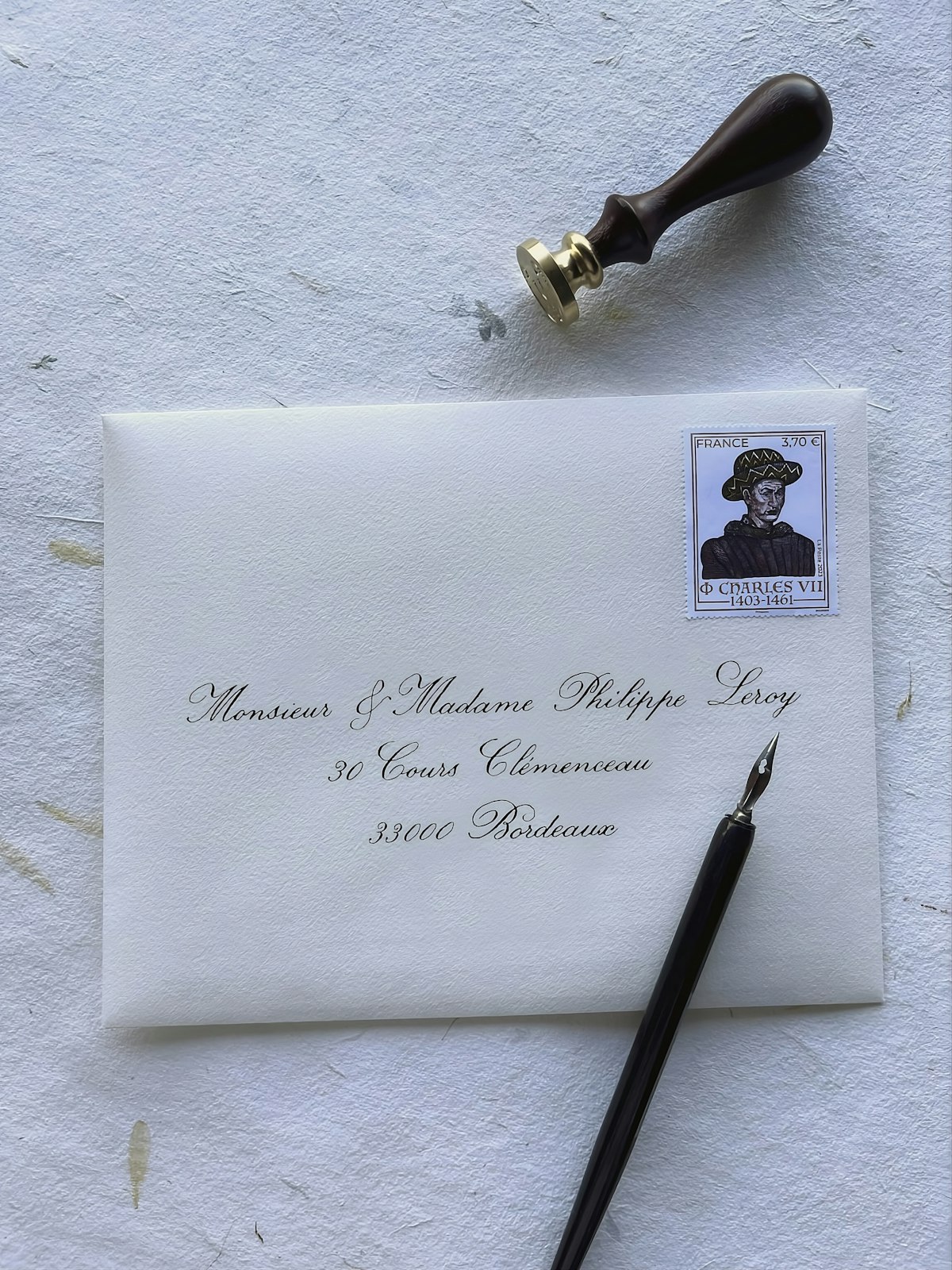
Put the letter somewhere secure and add a reminder in the calendar you use. Label the envelope or file clearly enough to find it later. Keep the interval manageable rather than relying on a distant memory. When you reopen it, the value may be in recognizing the ordinary details rather than measuring progress against a promise.
What ordinary detail would you like your future self to remember?
This is an original editorial example, drafted with AI assistance for the Little Days preview. It is not a submitted user story or a claim of personal experience. The photo is illustrative stock photography.