A personal map does not need to be accurate enough for navigation. It can show the public places that give a week its shape: the library, a park entrance, a familiar store, or a seat where you like to pause. The connections matter more than the scale.
Choose a small area and purpose
Decide whether the map is about errands, pleasant pauses, or a particular period of your life. Include only a few places that fit. Keep home addresses and sensitive locations out of anything you might share. If you need real directions or access information, use an up-to-date reliable map instead of relying on this personal sketch.
Draw simple relationships
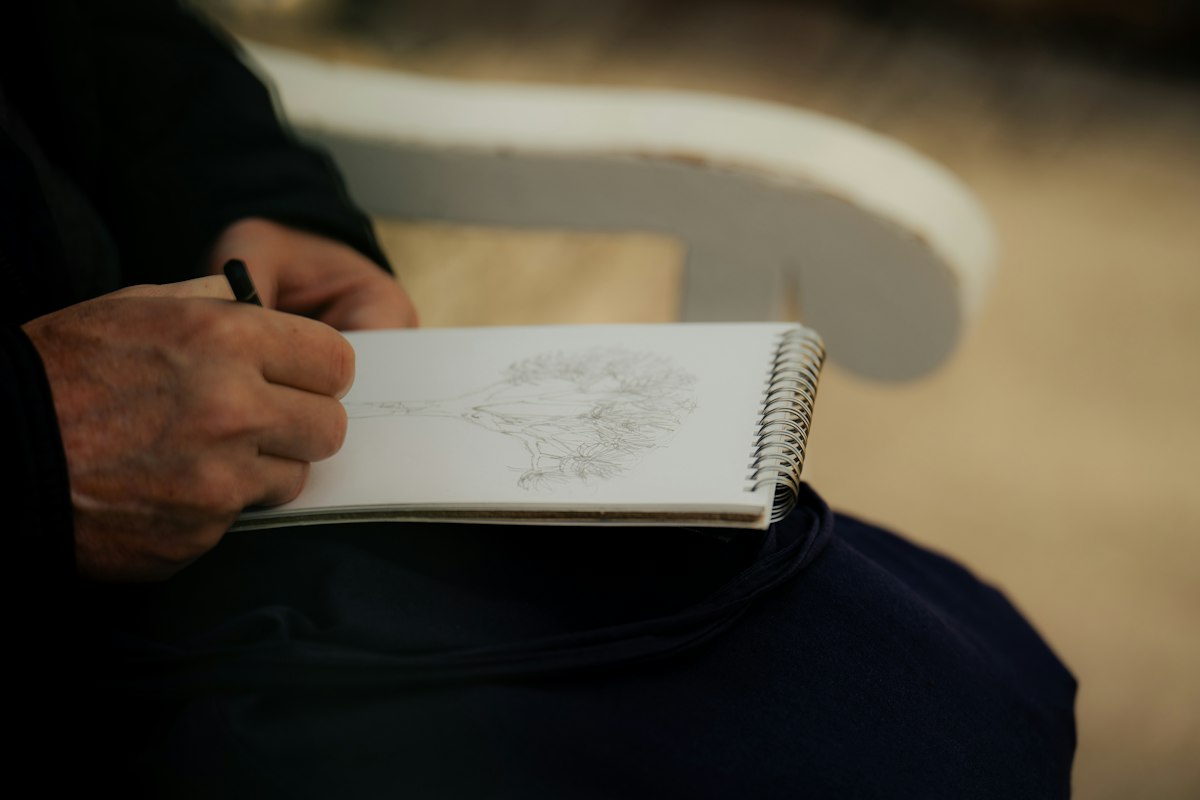
Use dots, names, and loose connecting lines. Mark which places are near each other without worrying about perfect proportions. A notebook page is enough. You can add a landmark that helps you recognize the area, but there is no need to reproduce every street. The map is a record of familiarity rather than a cartographic test.
Add why each place matters
Write a short note beside a location: easy library pickup, quiet bench, or useful stop after groceries. Describe your own use rather than making broad claims about the neighborhood. Public places and businesses can change, so date the page. What is true of your routine now may not remain true later.
Look for a gentle connection
You may notice two errands that combine well or a pleasant stop near a necessary trip. Check current opening and route information before acting on the idea. You can also simply keep the map as a picture of an ordinary period. A familiar week has its own geography, even when it covers a very small area.
Which three public places would appear on a map of your ordinary week?
This is an original editorial example, drafted with AI assistance for the Little Days preview. It is not a submitted user story or a claim of personal experience. The photo is illustrative stock photography.