A borrowed cake tin or a friend’s book can stay for months simply because it has no obvious route out. A small outgoing space turns the vague intention to return something into an object you can see before leaving.
Collect only returnable things
Gather items that belong to other people or places. Clean them appropriately and check that all the parts are present. Write the owner’s name on a removable note if the object is not immediately recognizable. Keep valuable or sensitive items in a suitable secure location, using a reminder card in the basket instead.
Add the next opportunity
A note saying return at Saturday lunch is more useful than return sometime. If there is no upcoming meeting, contact the owner to agree on a convenient handoff. Do not assume leaving something on a doorstep is welcome. The basket helps you remember; the actual return still needs a sensible plan.
Put it near your departure route
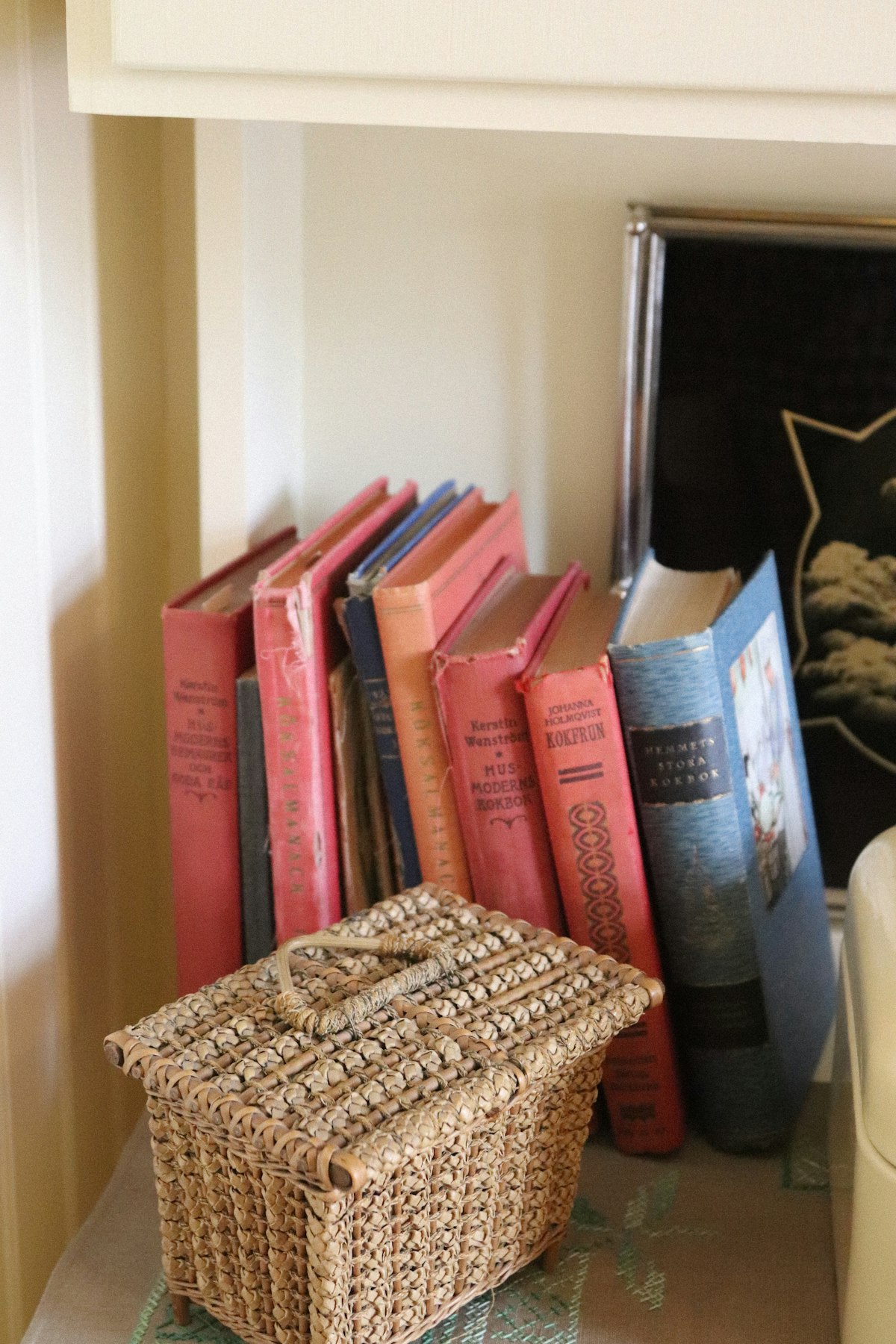
Choose a visible location that does not block the door or create a trip hazard. A shelf can work as well as a basket. Keep this space separate from incoming mail and items waiting for repair. When categories mix, it becomes harder to tell which things are genuinely ready to leave.
Empty it through action
Look through the space before a planned visit or errand. Take only what belongs on that trip. If something keeps returning to the shelf, resolve the obstacle rather than moving it again. A borrowed object has finished its stay when it reaches its owner, not when it moves into a prettier container.
Is there something borrowed that you are ready to return?
This is an original editorial example, drafted with AI assistance for the Little Days preview. It is not a submitted user story or a claim of personal experience. The photo is illustrative stock photography.