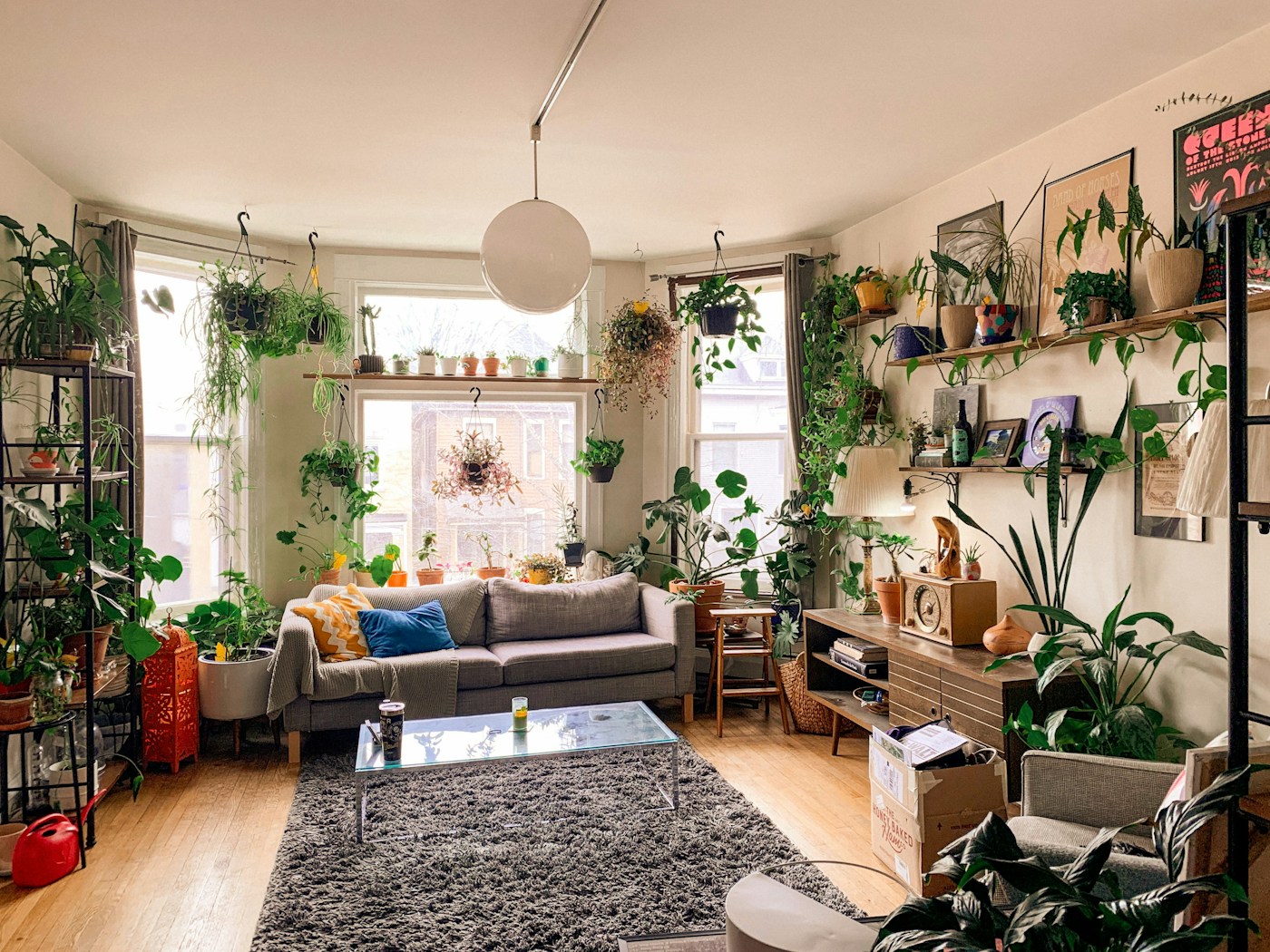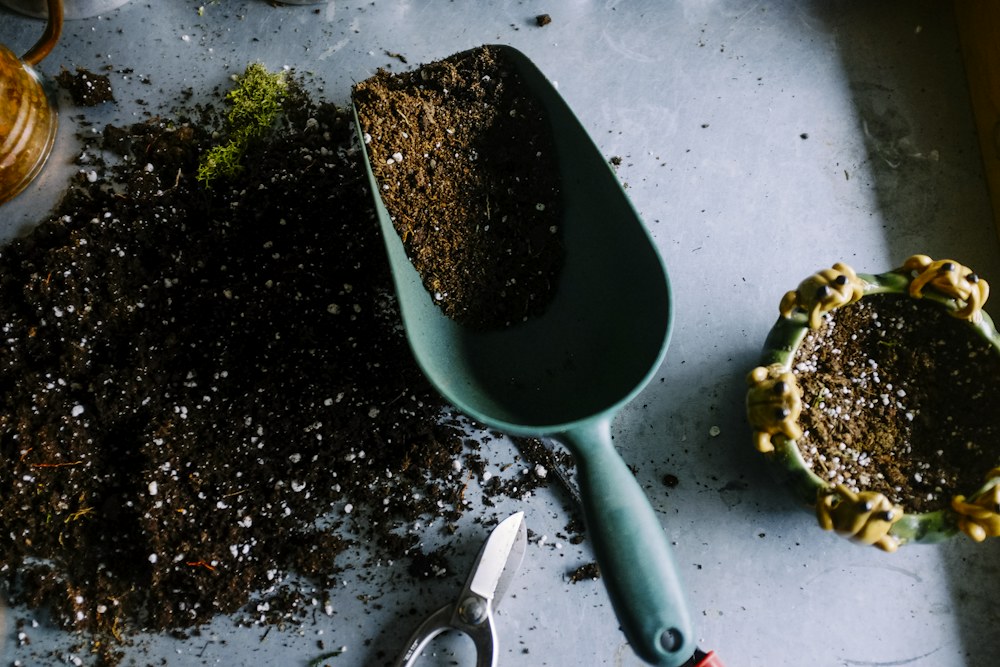
A plant can give an ordinary shelf a new point of interest. Before filling every empty spot, find out what your space and your routine can comfortably support.
Look at the spot first
Notice how the light changes during the day. A bright room and a patch of direct sun are not the same thing. Record where you plan to put the plant, then check care information for the particular species. A label that says “indoor plant” does not tell you everything about its needs.
Make watering practical
Use a container and surface arrangement that lets you manage drainage without damaging furniture. Put watering supplies somewhere easy to reach. Follow guidance for the species and actual growing conditions instead of assuming every plant needs the same fixed weekly schedule.
Start with one
One plant gives you a chance to learn what happens in that part of the home. You can notice new growth, changes in the leaves, and how quickly the growing medium dries. When something changes, use reliable species-specific guidance rather than treating a single symptom as proof of a particular problem.
Keep your household in mind
Before choosing a plant, check its suitability for children or animals in your home using a reliable source. Place containers where they will not tip into walkways or interfere with an opening window. A nice-looking arrangement works best when it is also easy to live around. Share a photo of the corner if you like, but leave identifying views or address details out of the frame.
Do you have a favorite plant corner, real or imagined? Tell us what makes it special.
This is an original editorial example, drafted with AI assistance for the Little Days preview. It is not a submitted user story or a claim of personal experience. The photo is illustrative stock photography.