The blanket you use most often should be easy to take out and just as easy to put back. A complicated fold may look lovely for a moment, but everyday storage works best when it can be managed with one free hand.
Choose the blanket in use
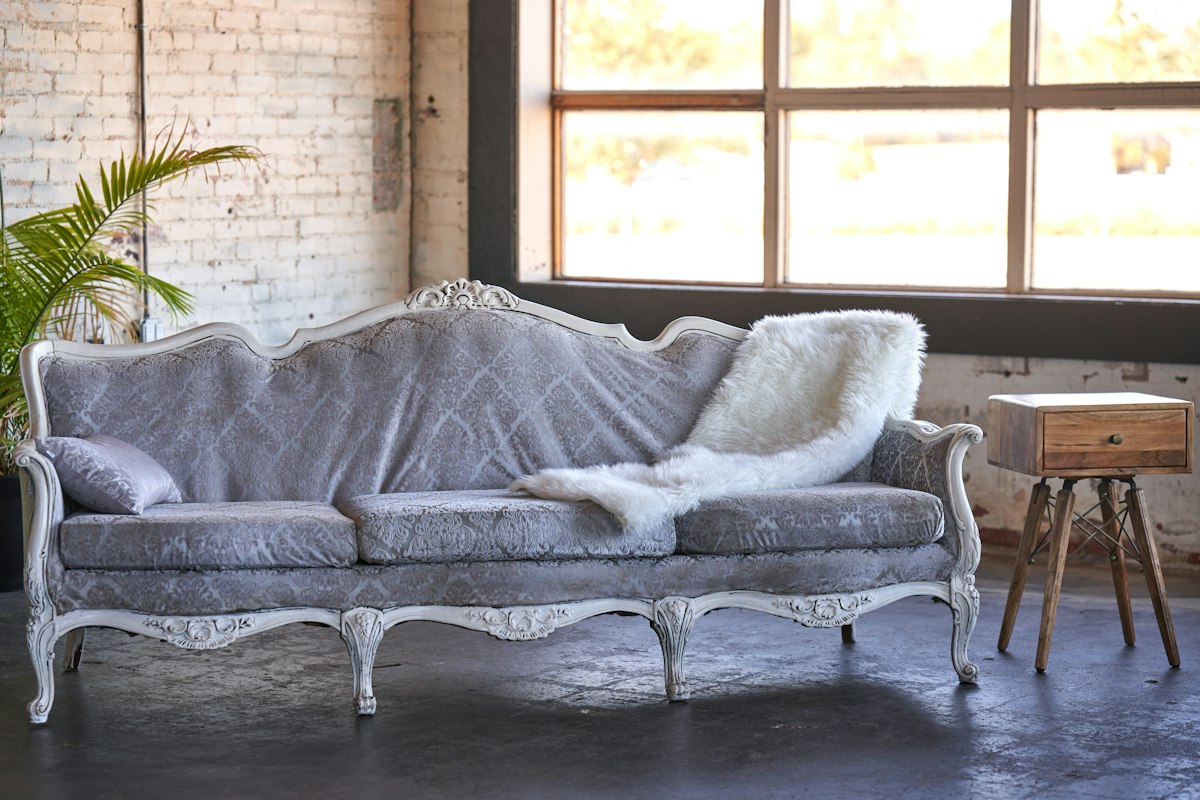
Separate the throw you reach for now from spare bedding and seasonal pieces. The everyday one belongs near the chair or sofa where it gets used. Store the others in a suitable dry space once they are clean and fully dry, following their care labels. One visible blanket can be enough.
Try the simplest resting place
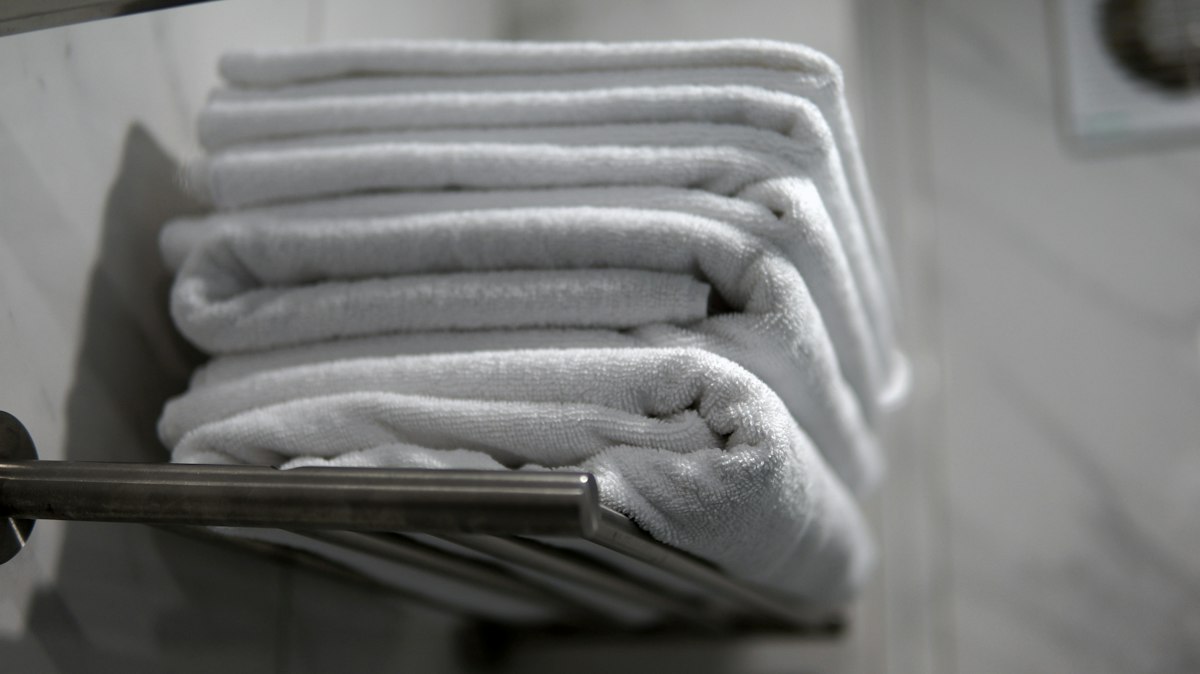
Drape it over the back of a chair, fold it once on an open shelf, or place it in a basket that is easy to reach. Check that it does not trail across a walkway. Before buying a basket, test the location with something you already own and notice whether the blanket returns there.
Make the reset forgiving
Choose a fold that fits the space instead of aiming for a particular decorative shape. If other people use the room, the arrangement should be obvious without instructions. A loose fold that happens each evening is more useful than a carefully rolled bundle that gets abandoned whenever someone is tired.
Reconsider it with the season
When the room gets warmer, put away the heavier layer and leave a lighter one if you still use it. Take the opportunity to clean the storage spot. The goal is a room that supports how you sit and relax today, rather than one arranged around objects you no longer need nearby.
Where does your favorite blanket usually end up?
This is an original editorial example, drafted with AI assistance for the Little Days preview. It is not a submitted user story or a claim of personal experience. The photo is illustrative stock photography.