A familiar craft can fit into a short pause when the supplies are ready and the next step is clear. A small project bag does not need to contain every tool you own. It only needs to support the piece you are working on now.
Keep the current pattern close
Use a pattern suited to your experience and keep its source with the project. Mark the place you reached in a way that will make sense tomorrow. If the pattern is digital, save the location rather than relying on an open tab. The first minute of the next session should not be spent reconstructing the last one.
Pack the tools for this piece
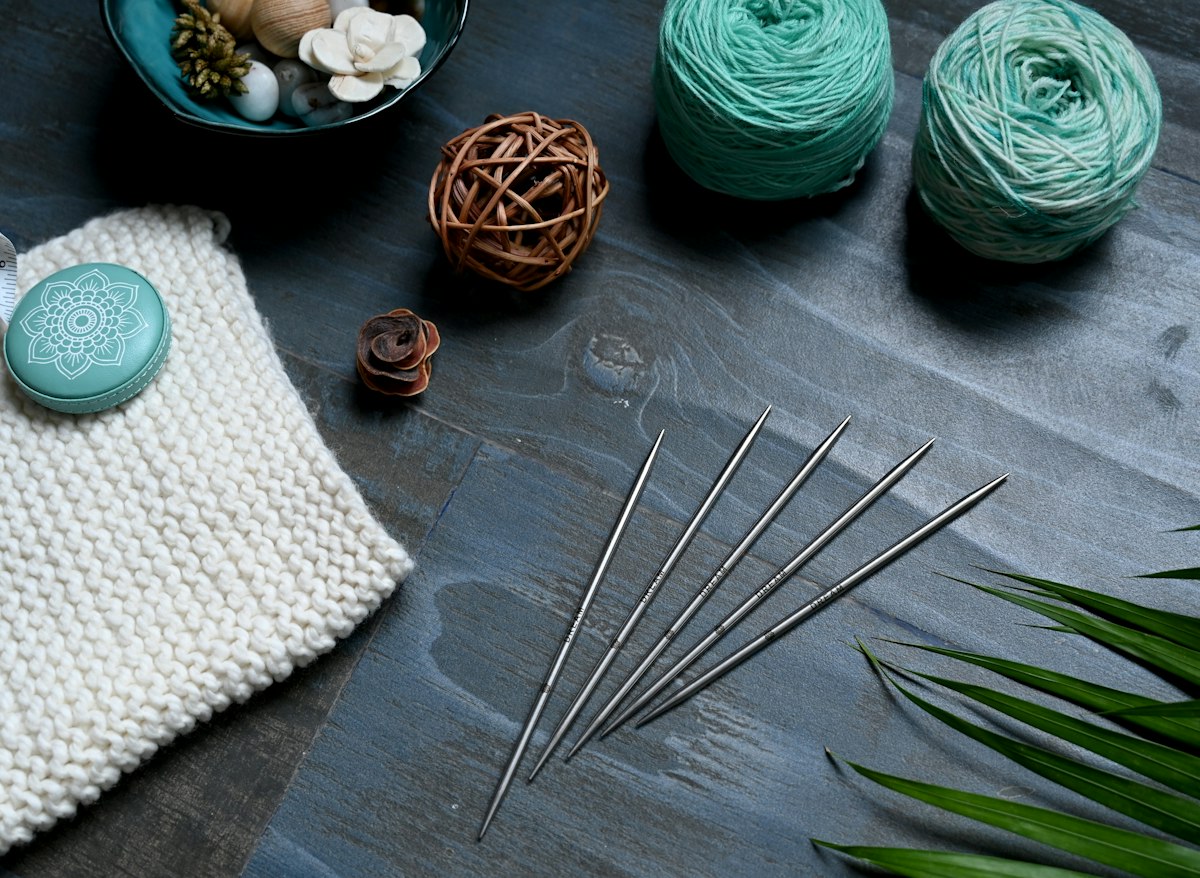
Gather the yarn, needles or hook, and the few accessories the current project needs. Store sharp or small items appropriately, especially around children and pets. Leave unrelated supplies elsewhere. A lighter bag makes it easier to move the project to the chair or table where you actually want to work.
Choose a natural stopping point
A row, a repeat, or another clear stage can be a useful boundary. Stop earlier if you need to, but write down exactly where you are. If the work becomes confusing, consult the pattern or a reliable teaching resource rather than guessing through several more rows. A small correction now can preserve the enjoyable part later.
Record the practical detail
Note a yarn substitution, tool size, or personal adjustment alongside the pattern. Keep the note factual so it remains useful when you return after a break. The project can move slowly. Making it easier to resume matters more than turning every spare moment into a demand to finish.
What helps you return to a craft project after a few days away?
This is an original editorial example, drafted with AI assistance for the Little Days preview. It is not a submitted user story or a claim of personal experience. The photo is illustrative stock photography.