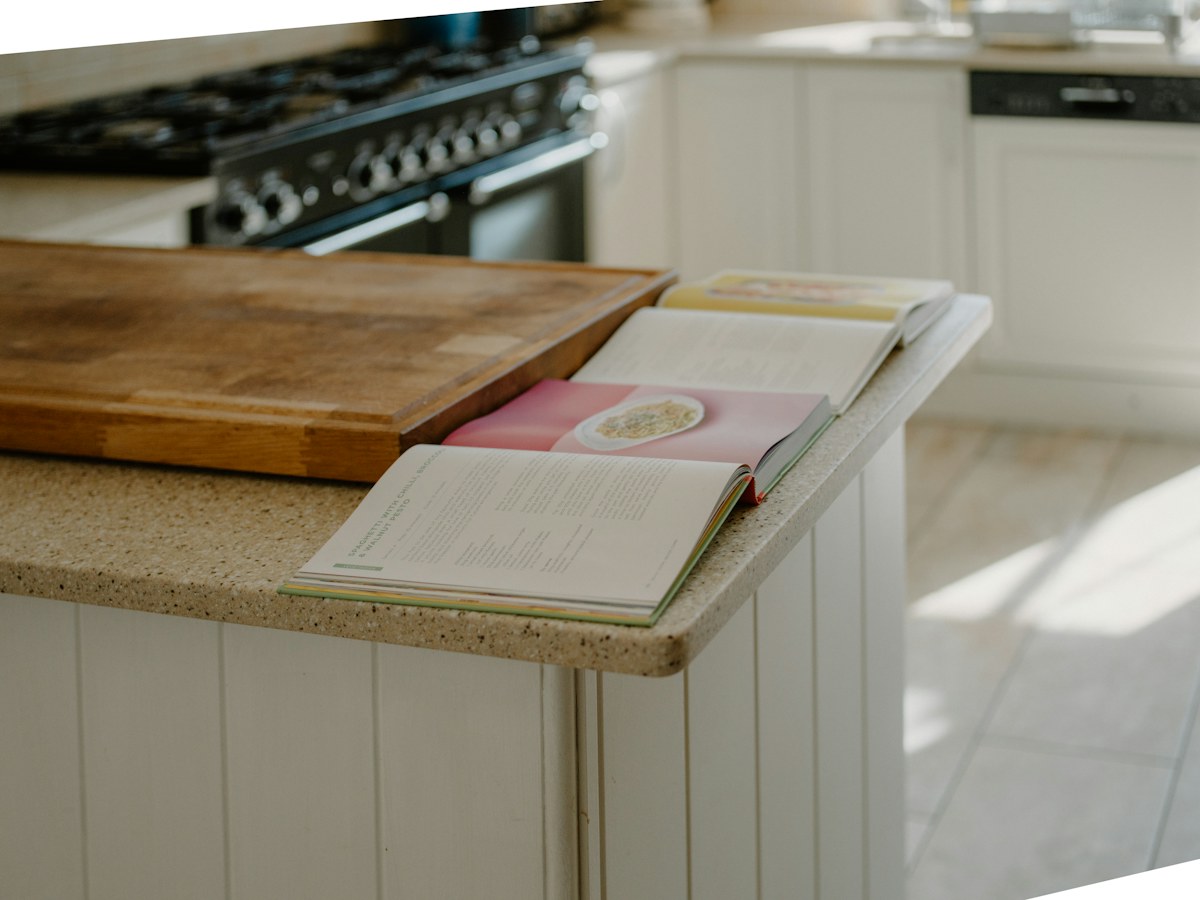
A saved recipe is easier to return to when it includes the details of making it in your own kitchen. You do not need to copy an entire recipe into a new notebook. A source link and a few clear notes can be enough.
Keep the source attached
Write the recipe title, the author or publication, and where to find the original. If the recipe came from someone you know, ask how they would like to be credited before sharing it publicly. A personal note can describe your experience without presenting another writer’s instructions as your own. Keep adaptations clearly separate from the original method.
Record what actually changed
Note the specific substitution or equipment change, not just “made it differently.” Include what you used and what you noticed. If a change did not work, that belongs on the card too. Treat the note as an observation from that attempt rather than a guarantee that the same substitution will always behave the same way.
Add the ordinary preparation details
Maybe you needed a larger bowl, forgot to soften an ingredient, or wished you had cleared a cooling space first. Those details are easy to forget between attempts. A short “before starting” line can prevent the same scramble next time. Keep any safety-critical instructions from the original source intact instead of reducing them to a vague shorthand.
Make the next attempt easy to find
Store the card where you look for meal ideas, whether that is a notebook, a folder, or a bookmarked page. Add a simple label such as “make again” or “needs another try.” A collection of a few recipes you understand is often more useful than a long list of saved links with no indication of why you saved them.
What is the most useful note you have added to a recipe after making it?
This is an original editorial example, drafted with AI assistance for the Little Days preview. It is not a submitted user story or a claim of personal experience. The photo is illustrative stock photography.