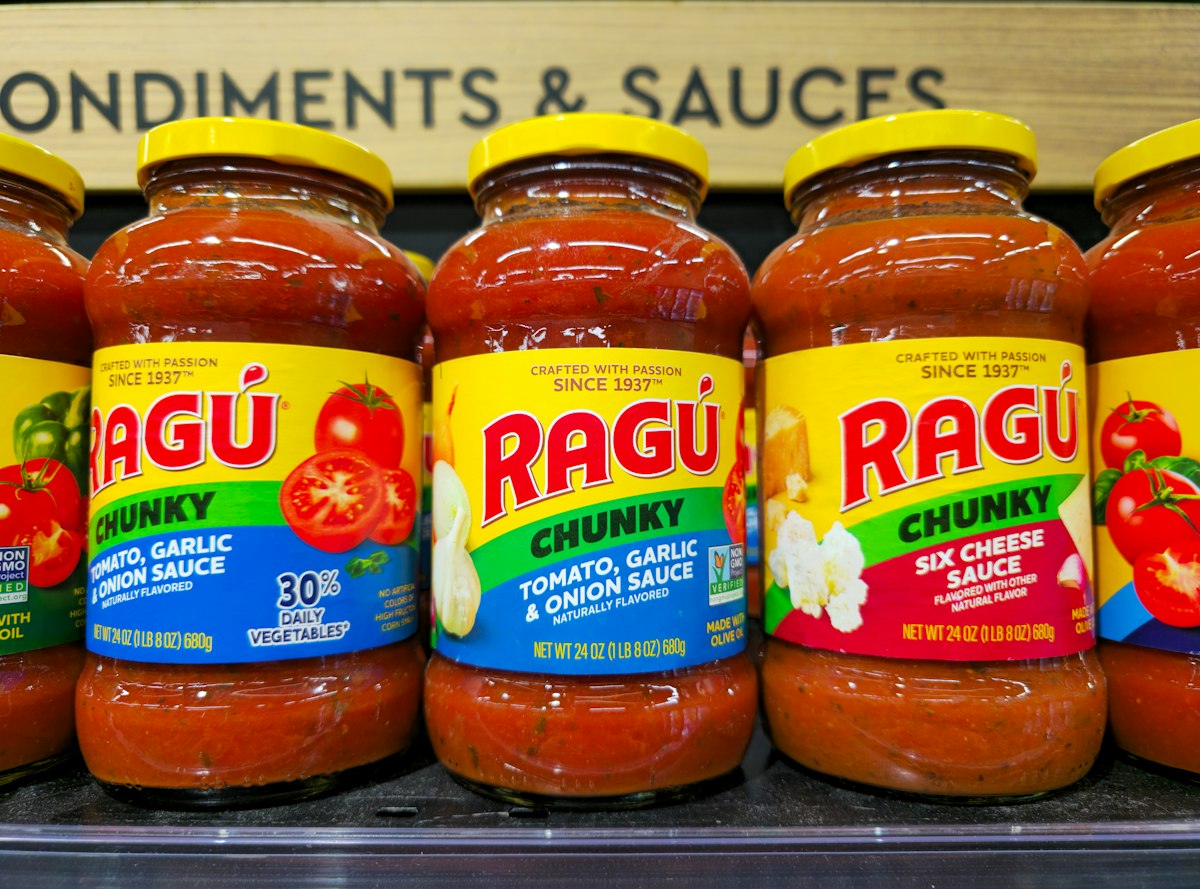
A pantry full of ingredients can still leave you wondering what to cook. A named fallback meal is more concrete than the general intention to keep staples around. Start with one dish you already know how to prepare and list what it really needs.
Choose a dinner you already enjoy
Use a familiar recipe, such as a pasta dish or a bean-based meal, that suits your preferences. Check which ingredients are shelf-stable and which still need a fresh purchase. Calling it a pantry meal should not hide an essential ingredient you rarely have. Keep the full recipe available if you need its method.
Make the list specific
Write the ingredients and normal quantities for your household. Include the small supporting items that are easy to forget. Check what is already in the cupboard before shopping, and follow the package guidance for storage and use. A useful list describes an actual dinner rather than a collection of foods that seem generally sensible.
Group the idea, not every object
You can keep a recipe card near the pantry without moving all the ingredients into a special box. Store each item appropriately and make the frequently used ones easy to identify. Add a reminder to the shopping list when a key ingredient is used elsewhere. The meal works only if its essential pieces remain available.
Try it on an ordinary evening
Prepare the meal once when you have enough attention to notice what is missing or awkward. Adjust the list afterward. The fallback should fit your kitchen and your usual appetite, including cleanup. One reliable option is a meaningful start; a large emergency menu is unnecessary if you never want to cook from it.
What dinner can you make from ingredients you usually keep?
This is an original editorial example, drafted with AI assistance for the Little Days preview. It is not a submitted user story or a claim of personal experience. The photo is illustrative stock photography.