A drawer full of cables can make a simple task surprisingly slow. The first improvement is usually identification: knowing which cord belongs to which device, which ones are used regularly, and where charging actually happens in your home.
Match before you store
Gather loose cables and match them to the devices you own. Check the device instructions for compatible charging equipment; a connector that fits is not the whole story. Set aside damaged cords for appropriate replacement or disposal. Do not keep an unidentified cable in the daily-use group just because it might be useful someday.
Label the difficult ones
A small label near an end can identify a camera cord or an infrequently used accessory. Use plain device names rather than a color system you will need to remember. Keep labels away from contacts and heat-producing parts. If a cable is shared, say where it belongs so it can return after use.
Choose the charging location
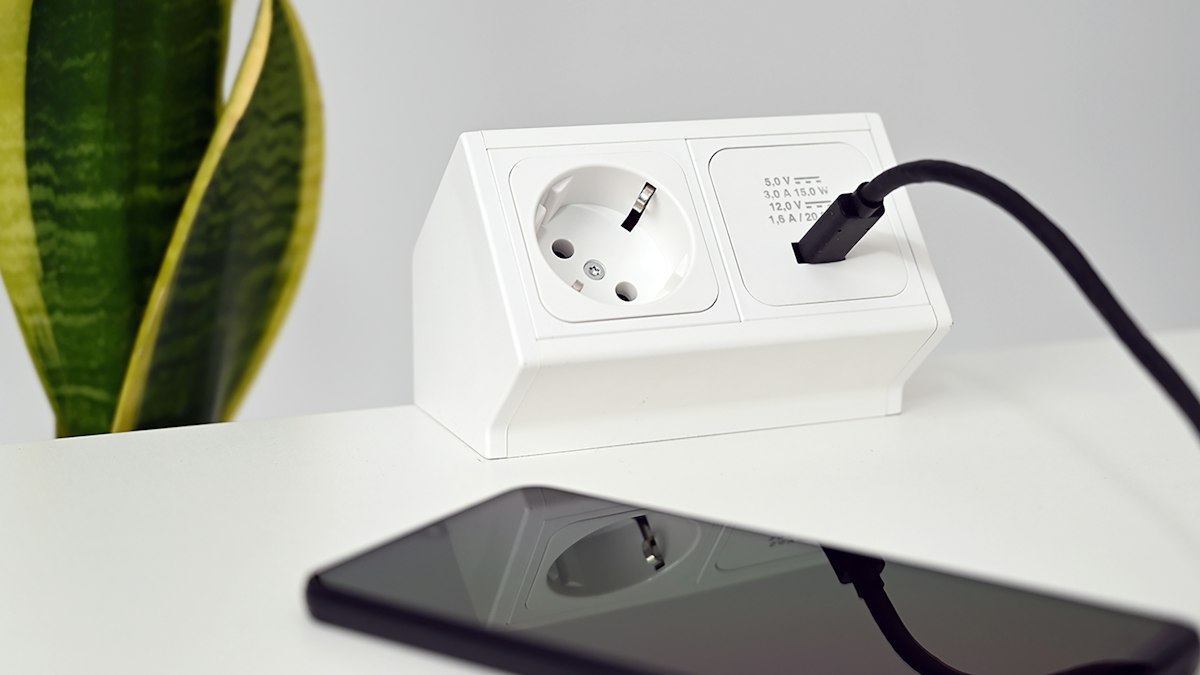
Place regularly used equipment where it can be operated according to its instructions, with stable surfaces and clear walking routes. Avoid making the charger depend on a cord stretched across a doorway. A convenient location can be more valuable than a decorative box that makes the equipment awkward to reach.
Keep the reserve small
Coil spare cables loosely without sharp bends and store them separately from the active ones. Include a note if a cord serves a device kept elsewhere. Revisit the collection when a device leaves the household. That small update prevents a useful charging spot from gradually becoming another box of unanswered questions.
Which cable do you always have to search for?
This is an original editorial example, drafted with AI assistance for the Little Days preview. It is not a submitted user story or a claim of personal experience. The photo is illustrative stock photography.